Spring sesame planting time and field management key points
Sesame is a major oilseed crop in China, and there is a great demand for sesame oil in China. Moreover, the nutritional value of sesame is very high; it can not only be used for pressing oil, but also for making various dishes and pastries. It is very popular. When growing sesame, spring sesame is generally the main type. So when should spring sesame be planted? And how should it be managed? Below, let's take a look at spring sesame planting time and management together!
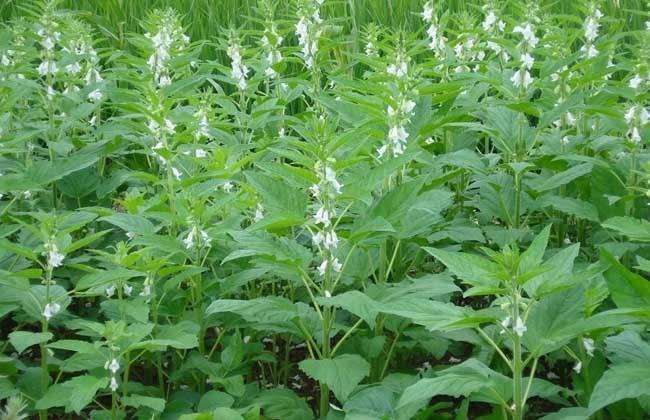
1. Land preparation and fertilization
Before sowing sesame, we must first pay attention to doing a good job of land preparation, breaking the soil up finely and leveling it, then forming ridges and making beds. Keep the ridge height at about 10 cm, and control the planting spacing between plants and rows at about 10*40 cm. In addition, the planting plot must be guaranteed to have good drainage and irrigation, so that water can be drained promptly when there is too much, and water can also be replenished promptly during drought. Then apply sufficient base fertilizer to provide ample nutrition for the growth of spring sesame. During land preparation, apply various fertilizers such as farmyard manure, superphosphate, and urea together. Alternatively, farmyard manure can also be replaced with compound fertilizer.
2. Planting time
The sowing time of spring sesame is very critical. Generally, it can be planted only after the temperature gradually rises. Usually, May each year is the best sowing time for spring sesame. The sowing methods of sesame include drilling and broadcasting. After sowing, the soil covering should not be too deep, so as to keep the emergence of sesame seedlings uniform. After the sesame seeds are sown, weed control should be done well, preferably mainly by manual weeding. In addition, compaction to preserve soil moisture should also be done well to ensure a uniform seedling stand after spring sesame sowing, and then management work should be done well after the seedlings emerge.
3. Thinning and reseeding
During the sesame seedling stage, we need to do a good job of management. Generally, when sesame seedlings grow about 2 true leaves, begin the first thinning work. Then when 4-6 true leaves have grown, thin again. Thinning should mainly remove the weak and keep the strong, providing sufficient growth space for strong seedlings. Finally, we should also check the growth of the seedlings. When a lack of seedlings is found, promptly supplement with strong seedlings of the same growth. When there are about 7 true leaves, transplant at the appropriate time, and after transplanting the seedlings, water them well to settle the roots.
4. Topping and disease prevention
Generally around the Mid-Autumn Festival, we should do a good job of topping, pinching off about 1.5 cm from the top of the sesame plant. This inhibits the growth advantage of the top and avoids consuming too much nutrition. It can also concentrate nutrition in the seeds, increase the thousand-grain weight and yield of sesame, and enhance quality. Then we should also do a good job of preventing and controlling common sesame diseases and pests such as Fusarium wilt, Phytophthora blight, and cutworms. When abnormalities are found, check promptly, identify the specific cause, and then take corresponding measures to ensure the normal growth of sesame.
The above is a brief introduction to spring sesame planting time and management. That is all for today's introduction. This article is for reference only, and I hope it can help everyone!