How to Plant Garlic in Winter? Methods and Key Technical Points Explained
As temperatures gradually drop, autumn-planted garlic now enters pre-winter management. If management is not timely at this stage, it will directly cause garlic yields to decline, so it must never be taken lightly. Let's learn about winter cultivation and management of garlic together below.
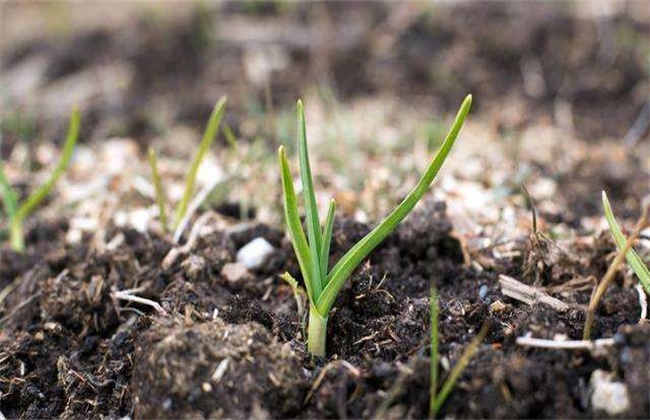
1. Preparations Before Overwintering
Garlic sown in autumn has poorer growth during the growing period and turns green again after winter, so before winter farmers must do a good job of management to lay the foundation for high yields. To ensure close contact between the garlic and the soil and promote the sprouting of new roots, watering is needed before emergence, especially when the ground is covered, so that sprouting can be ensured in one go. In continuous rainy weather, when soil moisture is high, drainage should be done in time to prevent the garlic seed from rotting and affecting normal garlic growth. Where there is no plastic film covering, a layer of weeds or manure should be spread before overwintering to ensure the garlic seedlings survive the winter safely; where there is plastic film, make sure the film is intact and undamaged to prevent wind damage.
2. Breaking the Film in Time
Garlic begins to sprout about a week after sowing. To help it break through the film smoothly, manual film-breaking should be carried out when the garlic sprouts emerge, so as to avoid too long a film-breaking time that damages the garlic sprout stems and affects their growth. When the garlic breaks the film, a small hole can be made in each seedling hole to ensure the garlic film breaks successfully. When breaking the film, do not damage the sheet, otherwise the sheet will lose its effect. Afterward, check regularly every day to prevent the film from failing to break and causing seedling death.
3. Clearing Ditches and Loosening Soil
Field moisture for garlic planting should not be too high; excess water can cause root rot, lead to pest and disease damage, and reduce yields. Therefore, when garlic overwinters, field ditches should be cleared in time and the soil loosened to allow excess water to drain away, which affects garlic growth. This improves soil structure, raises ground temperature, and promotes root growth.
4. Fertilizer and Water Management
Where base fertilizer is insufficient, a seedling-promoting fertilizer should be applied once one month after sprouting to promote seedling growth and development; where base fertilizer is sufficient, no additional fertilizer is needed. Before the soil freezes, water once with overwintering water so the garlic overwinters safely. Watering before overwintering should be moderate; lack of water in garlic causes dry yellow leaf tips and, in severe cases, death. When watering, use a small-drip irrigation method to avoid waterlogging and root suffocation.
The above is an introduction to how to plant garlic in winter. We hope it helps you. For more related knowledge, please stay tuned to us.