What to do about cotton staying green and maturing late? Teach you effective control methods
Cotton cultivation is very common in our country. When growing cotton, if you want high yield and high quality, then it requires careful management. If management is improper, then many problems will appear during the cotton's growth process and affect the cotton's growth. Staying green and maturing late is one of them. So what is cotton staying green and maturing late? And what should be done about it? Below, the editor will briefly introduce it to everyone. Let's take a look together!
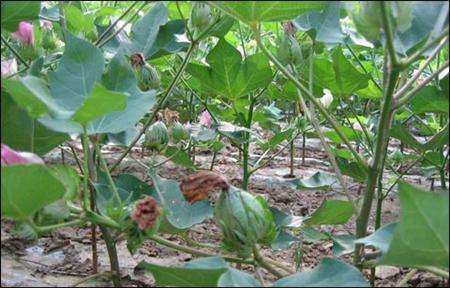
1. What is staying green and maturing late
During normal planting, if in September each year the cotton leaves are still very dark green, there are few green bolls and not much boll opening, and axillary buds are still growing continuously, this means the cotton is staying green and maturing late. During cotton growth, if the early and middle stages are improperly managed or it is affected by factors such as weather and the environment, then during the cotton's flowering and boll stage or bud stage, a large number of buds and bolls will drop, causing a serious decline in the number of flowers and bolls. The nutrients that originally should have been supplied to the fruit for growth then have nowhere to go and can only be supplied to vegetative growth, causing the cotton plant to continuously produce new shoots and axillary buds.
2. Causes of staying green and maturing late
Some cotton varieties inherently have late-maturing characteristics, making them prone to staying green and maturing late. When planting cotton, if the sowing time is too late, then it can also easily cause the cotton plant's maturation time to be delayed, and this is also a main cause of cotton staying green and maturing late. Or after autumn, when the temperature drops, when a large amount of nitrogen fertilizer is applied during the cotton's flowering and boll stage, or when a cotton field with sufficient nutrients lacks water for a long time, or when continuous rainfall occurs in the late growth stage and in various other situations, all of these may cause cotton to stay green and mature late.
3. Control measures
After cotton enters the late growth stage, the amount of watering should be controlled well according to weather changes and the cotton's growth condition. If there are signs of premature aging, then appropriate drip irrigation should be carried out, the time for stopping water should be delayed, and an appropriate amount of fertilizer should be applied. This promotes cotton root growth and enhances leaf growth capacity, thereby increasing the boll-setting rate in the middle and upper parts of the plant. For vigorously growing fields, vegetative growth should be controlled well, with the main focus on promoting the cotton's reproductive growth, providing air circulation, and avoiding poor ventilation that causes flower and boll drop. In addition, we should also do a good job in classified management of prematurely aging fields and vigorously growing fields, promoting early maturity of the plants, and preventing and controlling diseases and insect pests.
4. Preventive measures
In order to prevent cotton from staying green and maturing late, we should still focus on prevention. In addition to choosing a high-yield and high-quality variety when planting, we must also pay attention to controlling the sowing time well. Avoid sowing too late, which leads to excessive fertilizer and water later and too late application. Then, for cotton plants that grow too vigorously in the late growth stage and have poor permeability, promptly remove empty branches and old leaves. Improve the permeability in the cotton field and encourage cotton bolls to mature as early as possible.
The above is a brief introduction to what to do about cotton staying green and maturing late. That is all for today's introduction. This article is for reference only, and I hope it can help everyone!