Key Management Techniques for Peanuts During the Flowering and Fruiting Period
Peanut is a food crop that many people enjoy eating very much, and it is also a relatively important oil crop in our country. It has a very large planting area in our country. When planting peanuts, we need to pay attention to carrying out management work well according to the growth stages of the peanut. Especially during the peanut flowering and fruiting period, particular attention is needed. So how should peanuts be managed during the flowering and fruiting period? Let us take a look below!
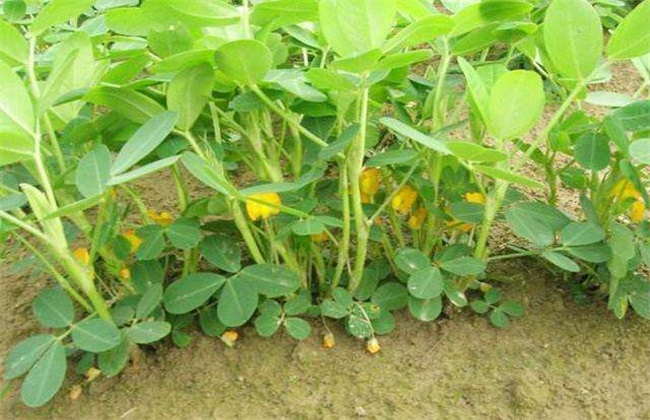
1. Drought resistance and seedling protection
Although the drought tolerance of peanuts is relatively strong, if the soil moisture is insufficient during the critical period of water demand, then the growth of the peanut will be inhibited, affecting its flowering and fruiting. When the soil is too dry, the flowering rate of peanuts will decrease significantly, and in severe cases, flowering will stop. Moreover, the pegs in the soil cannot expand normally, affecting the development of the fruit. Therefore, if the soil water content is insufficient, then watering must be done in time, with sprinkler irrigation as the main method. It can not only save water, but also ensure that the water can smoothly infiltrate into the interior of the soil.
2. Foliar topdressing
After peanut seeds are sown, the nutrients originally stored will be completely consumed about one week after emergence. At this time, the seedling roots do not have sufficient nutrients to supply the growth and development of the peanut. It will also affect the reproduction of rhizobia in the roots. In addition, the peanut plants at this time are in key periods such as branch and leaf growth and flower bud differentiation, and also need a large amount of nutrients. Therefore, after peanuts enter the flowering period, the demand for fertilizer will further increase. Attention should be paid to doing a good job in nutrient supplementation, mainly with foliar topdressing, and fertilizers such as potassium dihydrogen phosphate can be used as the main type.
3. Intertillage and weeding
After peanuts enter the flowering period, we should also pay attention to doing a good job in intertillage and weeding. The main purpose of intertillage is to improve soil permeability, loosen the soil, promote the growth of peanut plant roots and nutrient absorption, and provide guarantees for peanut flowering and fruiting. It is also very beneficial for peanut peg penetration into the soil, and can also increase the fruiting range and yield of peanuts. During intertillage, we should also do a good job in weeding to avoid excessive weeds in the field causing the loss of too many unnecessary nutrients and affecting the peanut flowering and fruiting rate.
4. Pest and disease control
During the peanut flowering and fruiting period, pest and disease control work is also very important. Pests and diseases can have a great impact on peanut flowering and fruiting. Among them, common pests and diseases during the peanut flowering and fruiting period include leaf spot disease, stem rot, cotton bollworm, and so on. The main targets of damage by these pests and diseases are mostly peanut stems, leaves, and fruits. Therefore, everyone must pay more attention. Different pests and diseases should be controlled with different agents. For example, leaf spot disease generally uses carbendazim or mancozeb, while stem rot mainly uses root beneficial bacteria or copper acetate.
The above is a brief introduction to how peanuts should be managed during the flowering and fruiting period. That is all for today's introduction. This article is for reference only, and I hope it can help everyone!