What factors affect peanut seed germination
Peanuts are very popular in China, not only having high edible value, but also being one of China's main oilseed crops. Therefore, there are many people growing peanuts now, and when growing peanuts, the germination rate of peanut seeds is something many people care about greatly. The germination rate of peanut seeds is affected by many factors. So what exactly are these factors? Below, the editor will give you a brief introduction. Let's take a look together!
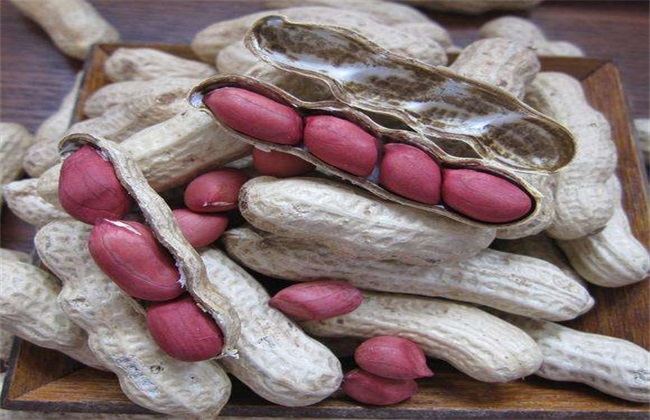
1. Seeds
The quality of the peanut seeds themselves is the primary factor affecting their germination rate. When we harvest peanut seeds and dry them, if the peanut seeds are damaged or improperly stored, it will affect the vigor of the peanut seeds, causing the vigor of the peanut seeds to decline or even lose vigor, so they cannot germinate and emerge. Then there is the fact that if peanut seeds are in a dormant period, they also cannot germinate. Therefore, when sowing, we should pay attention to whether the peanuts are in a dormant period, and the seed dormancy period should be broken before sowing.
2. Temperature
After peanut seeds are sown, temperature control is very important. If the temperature is unsuitable, it will have a great impact on the germination of peanut seeds. In mild cases, it reduces the germination rate; in severe cases, it causes the seeds to lose vigor and be unable to germinate at all. After sowing, the temperature should not be lower than 12 at minimum. The higher the temperature, the faster the seeds will germinate. Generally, around 30 degrees is the optimal germination temperature for peanut seeds. However, the temperature should not be too high either. If it exceeds 40 degrees, it will also inhibit seed germination.
3. Moisture
When peanut seeds are sown, there must be sufficient water content to ensure that the seeds can germinate normally. Under normal circumstances, peanut seeds must absorb at least half of their own weight in water before they can germinate normally. Moreover, when sowing, the soil must also have sufficient water content, maintained at around 55%. After peanut seeds absorb sufficient water, the respiration of the seeds and the activity of enzymes will also strengthen. The nutrients in the cotyledons will also gradually be converted into various nutrients such as amino acids, providing sufficient nutrition for seed germination and seedling emergence.
4. Oxygen
Oxygen is also a major factor affecting peanut seed germination. Because peanut seeds are inherently oily and do not have sufficient oxygen atoms themselves. But if they are to germinate and emerge normally after sowing, then a large amount of oxygen is needed. Therefore, when sowing, we must ensure the soil is sufficiently loose, has suitable moisture, and has strong permeability. The sowing depth should be controlled well and should not be too deep, to prevent affecting the respiration of the seeds and to ensure normal germination and seedling emergence.
The above is a brief introduction to what factors affect peanut seed germination. That is all for today's introduction. This article is for reference only, and we hope it can help everyone!