Corn Ear Stage Management Methods and Key Technical Points
The corn ear stage is the period from after the corn enters the jointing stage until tasseling and silking. The management work during the corn ear stage is very important; its main purpose is to enable the corn plants to grow more sturdy and thick, and to improve the corn's flowering and seed-setting rate and planting benefits. So how should management be carried out during the corn ear stage? Today, the editor brings you the management methods for the corn ear stage. Let's take a look below!
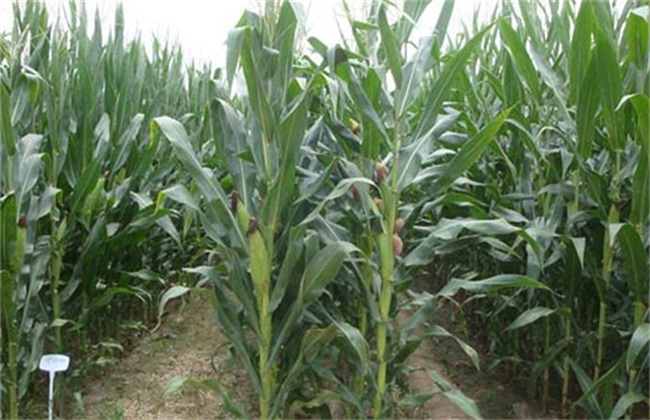
1. Intertillage and Earthing Up
After corn enters the ear stage, intertillage work is essential. Generally, about two rounds of intertillage and earthing up should be carried out. First, the first intertillage should be done after the corn has entered the jointing stage and then reached the small funnel stage. This intertillage should be carried out together with fertilization work; the intertillage should mainly be deep intertillage with light earthing up, and the fertilizer can be applied directly into the soil. Then pile the excess soil that was dug out directly around the base of the corn plants to form soil ridges. Then, during the large funnel stage, when applying the ear fertilizer heavily, carry out intertillage and earthing up again.
2. Timely Topdressing
The corn ear stage is the peak period of fertilizer demand during the entire growth period of corn. Therefore, for plots with insufficient basal fertilizer application, a round of ear fertilizer should be applied in a timely manner, especially if straw is to be returned to the field. In that case, it is best to advance the topdressing time; topdressing can be done after the corn joints. When topdressing, pay attention to controlling the topdressing amount; usually about 15 kg of urea is applied per mu. It is enough to ensure that the corn has a sufficient amount of pure nitrogen throughout the entire growth period. After topdressing, pay attention to covering with soil to avoid serious fertilizer loss, which would reduce fertilizer efficiency.
3. Water Control
During the corn ear stage, although the corn plants have a relatively large demand for water, attention must also be paid to controlling the amount of watering. If too much water is applied and the soil becomes too wet, it will seriously affect the growth of the corn roots and lead to reduced yield. Therefore, if waterlogging or excessively wet soil occurs, drain it in a timely manner, and keep the field drainage at about 75%. After corn tasseling, high-temperature and drought weather is generally encountered, and corn is also prone to pollen abortion due to high temperature and water shortage. Therefore, around the tasseling period, if drought occurs, water in a timely manner.
4. Pest and Disease Control
During the ear stage, corn is prone to many pests and diseases. For example, corn borer, brown spot disease, stalk rot, and so on. Among them, the main period for controlling corn borer should be during the large funnel stage. If control is delayed until after tasseling, it will become very difficult. Corn borer can be controlled with pesticides such as Kongkuan or tebufenozide. As for diseases, if it is brown spot disease, then when corn grows to about 7 leaves, use triadimefon together with an appropriate amount of foliar fertilizers such as monopotassium phosphate for control.
The above is a brief introduction to corn ear stage management methods. That is all for today's introduction. This article is for reference only, and I hope it can help everyone!