What to Do About Stunted Cucumber Seedlings? Cause Analysis and Control Measures
Many farmers growing cucumbers notice that the seedlings are short and small, with small, thin, yellowing leaves, and few roots when pulled up. What is going on? This is actually a physiological disorder of cucumbers——stunted seedlings. So what causes stunted cucumber seedlings? And how should they be prevented? Follow along with the editor to find out.
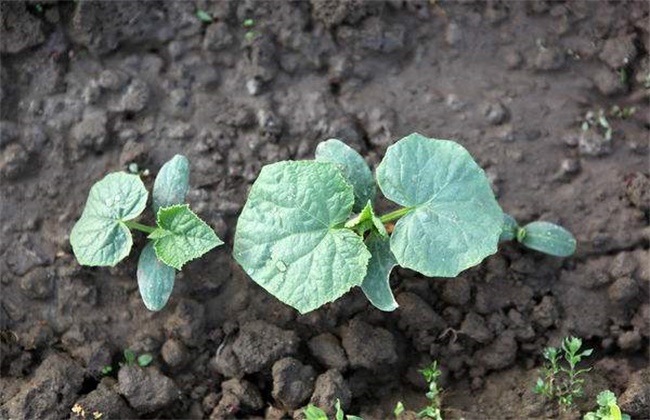
I. Causes of Stunted Seedlings
1. Soil and water
Soil that is too wet with poor permeability will affect the respiration of the underground part of the seedlings and the development of new roots, thereby inhibiting seedling growth; on the other hand, if the soil is too dry, the soil will not bind well with the seedling soil after transplanting, and new roots will likewise fail to develop. When the root-zone soil temperature is below 10 degrees, new roots develop poorly; below 13-14 degrees, the root hairs on the lateral roots cannot develop, and the absorption capacity is extremely low. In addition, when the pH value is below 4.5 or above 8, root growth and development are also hindered. Furthermore, soil salinization can also cause physiological disorders in seedlings, inhibiting the roots' absorption of nutrients and resulting in stunted seedlings.
2. Unreasonable fertilization
If fertilizer is applied too deep, the roots cannot absorb it in time, but if applied too shallow, it cannot fully decompose, and it very easily damages the roots, causing stunted seedlings. When applying base fertilizer, if it has not been fully decomposed, the organic fertilizer will release a large amount of heat and harmful gases during decomposition, damaging the roots. During cultivation, applying large amounts of chemical fertilizer while sowing organic fertilizer results in a lack of soil nutrients, causing nutrient-deficiency-type stunted seedlings.
3. Poor seedling quality
During transplanting, seedlings that are too old or too young, as well as root damage during the transplanting process, can all cause stunted seedlings. Excessive hardening of the seedlings before planting will cause the stems and leaves to become overly aged, so that after planting they do not grow for a long time, forming stunted seedlings.
4. Improper transplanting time
Timely transplanting is the key to cultivating strong seedlings. If transplanting is not done at the right time, and if the insulation and moisture retention for the seedlings and the protection during the early transplanting stage are not done properly, stunted seedlings will also appear. During transplanting, low-temperature chilling injury or sustained high temperatures will also affect the normal growth and development of the seedlings, and stunted seedlings will also appear.
II. Preventive Measures
Cultivating seedlings with well-developed root systems is the key to cultivating strong seedlings and preventing stunted seedlings. Specifically, this can be started from aspects such as improving the soil, strengthening nutrient and water management and temperature regulation, as well as moderate hardening of seedlings and timely transplanting, to effectively prevent stunted cucumber seedlings.
The above is an introduction to the causes of stunted cucumber seedlings and preventive measures. We hope it can help you. To learn more related knowledge, please stay tuned to us.