What causes excessive growth in winter wheat
Temperatures are getting lower and lower now, and we are gradually entering winter. The work of planting winter wheat is also getting busier and busier, and in many areas now, winter wheat has basically all been sown. After the winter wheat seedlings emerge, we need to focus on doing a good job with management. Otherwise, winter wheat is very prone to excessive growth. So what are the causes of excessive growth in winter wheat? Below, the editor will briefly introduce them to you. Let's take a look!
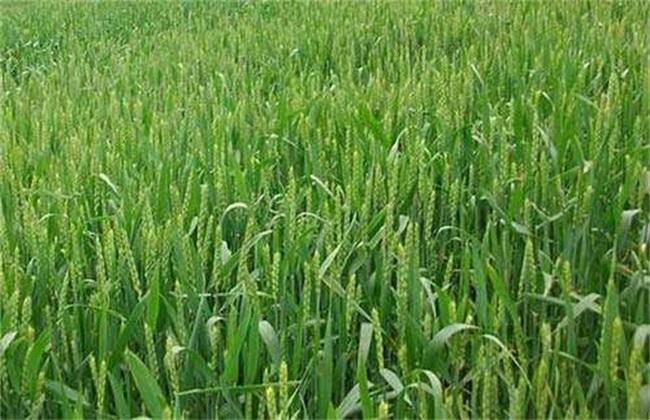
1. Improper variety
When planting winter wheat in winter, the choice of variety is very important. If the planted variety is a spring-type or weak spring-type variety, then it should not be sown too early. If sown too early, the wheat is very prone to excessive growth before winter. Moreover, wheat fields with this type of variety are also the most susceptible to freeze damage in winter. For this situation, we should pay attention to early hoeing and intertillage and suppression, and can also cover soil around the wheat plants to protect the roots, ensuring that the wheat seedlings can safely overwinter.
2. Sowing too much
Many friends, when sowing, do not control the sowing rate well according to factors such as soil fertility, variety, and yield. As a result, they increase the sowing rate without restriction, causing the seedlings, after emergence, to have little growing space and crowd each other, affecting the growth and development of individual wheat seedlings. There is little or no tillering. In this case, after the wheat seedlings emerge, we should thin them in time. Change the population structure in the wheat field, and then, according to the development of individual plants, combined with watering work, apply an appropriate amount of quick-acting nitrogen and phosphorus fertilizer, etc., to supplement the excessive consumption of soil nutrients caused by sowing too much.
3. Excessive fertilizer and water
In soil with high fertilizer and high water, wheat growth has sufficient fertilizer and water, and if the temperature is well controlled, then it will tiller very abundantly. The growth rate of the wheat seedlings will also be very fast, and the leaf area will be relatively large. The seedlings in the field shade each other, causing the wheat field to be too closed and stuffy, and the lower leaves turn yellow due to insufficient light. In addition, the aboveground part will grow excessively because of too much fertilizer and water. Therefore, when managing, we should pay attention to doing a good job of intertillage and root cutting. When the main stem of the wheat seedling grows to about 7 leaves, we should deeply hoe about 6 cm between the wheat rows to cut off part of the root system, avoiding excessive nutrient absorption, reducing the amount of tillering, and cultivating strong seedlings.
4. Sowing too early
If winter wheat is sown too early, the leaves of the seedlings will become very narrow and long, and the amount of tillering will be insufficient. Moreover, the main stem and large tillers will enter the double-ridge stage before winter, with the characteristic of being vigorous first and then weak. If it encounters minus five degrees for as long as five hours, then it is very prone to freeze damage. So we should pay attention to doing a good job of suppression, in order to inhibit the growth of the main stem and large tillers and avoid excessive growth. When suppressing, note that it should mainly be done on sunny days, and after suppression, appropriately hoe and water to ensure seedling growth.
The above is a brief introduction to the causes of excessive growth in winter wheat. That is all for today's introduction. This article is for reference only, and I hope it can help everyone!