How should field management be carried out for winter wheat?
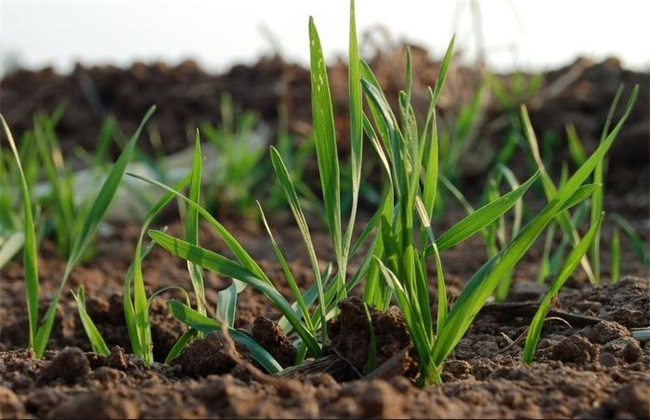
Wheat is one of the main food crops in our country, and its planting area in our country is very large. Wheat is further divided into spring wheat and winter wheat, and now we are gradually entering winter. Winter wheat has also reached its sowing and planting period. Although winter wheat should originally be planted in winter, because of winter weather temperatures and other factors, we still need to do a good job in management. So how should winter wheat be managed? Let's take a look together below!
1. Pay attention to frost prevention
When planting winter wheat, management should be carried out according to local conditions. Because winter temperatures are very low, frost prevention work is very important, with the goal of improving the frost resistance of winter wheat and increasing the yield for the next year. First, for hanging-root seedlings in large fields with poor soil quality, soil should be banked up, mainly using soil and miscellaneous fertilizer. This can provide frost protection and seedling protection for wheat seedlings, and then before winter arrives, pay attention to applying an appropriate amount of freezing water. If the seedling stage is poor and sowing was too late, then timely intertillage and loosening of the soil should be carried out to avoid soil compaction, raise soil temperature, and cultivate strong seedlings.
2. Reasonable watering
In autumn and winter, there are generally fewer rainy days, and the soil is prone to drought. Therefore, when planting winter wheat, watering and drought prevention work is also very important. In many cases, overwintering wheat fields will experience relatively severe drought, and the soil moisture condition is very poor. Therefore, when the temperature rises somewhat and the soil freezes at night and thaws during the day, pay attention to doing a good job in watering to provide sufficient moisture for the root growth of winter wheat. However, when watering, pay attention to controlling the water temperature and watering time. Never water when the temperature is low, to prevent wheat seedlings from frost damage and affect growth.
3. Prevent excessive growth
Winter wheat planting also requires attention to preventing excessive growth. If sowing is too early, then in the early stage it is easy to form excessively growing seedlings, and their growth capacity will gradually weaken in the later stage. If they are in a low-temperature winter environment for a long time, then they are extremely susceptible to frost damage. Therefore, on sunny mornings, we should appropriately press and compact the soil to avoid excessive growth of the main stem and large tillers of wheat seedlings. When pressing, if there is dew on the seedlings or frost occurs, then it cannot be carried out, to avoid damaging the young seedlings. After pressing, do a good job of hoeing and watering with freezing water. Then apply an appropriate amount of ammonium bicarbonate and other substances to inhibit excessive growth of wheat seedlings and prevent wheat from frost damage.
4. Pest and disease control
Usually, about half a month after sowing winter wheat, the seedlings will be fully established. After the seedlings are fully established, we should focus on doing a good job in pest and disease control. About three weeks after the seedlings emerge, diseases such as rust and sheath blight are very likely to appear. When the incidence rate reaches about 1/10, timely spraying should be carried out for control. If it is rust, then diniconazole wettable powder or triadimefon wettable powder and other agents can be used and sprayed with water. If it is sheath blight, triadimenol can also be used, or validamycin can also be used.
The above is a brief introduction to how to manage winter wheat. That is all for today's introduction. This article is for reference only, and I hope it can help everyone!