What are the precautions for storing napa cabbage? Keep these points in mind
Napa cabbage is a very common leafy vegetable in our daily lives. It is also very popular in our country and is grown in all regions. Napa cabbage has strong growth ability and relatively high yield. After harvest, if it cannot all be brought to market in time, then in order to prevent the napa cabbage from rotting, we need to do a good job of storing it. So what do we need to pay attention to when storing napa cabbage? Let's take a look together below at the precautions for storing napa cabbage!
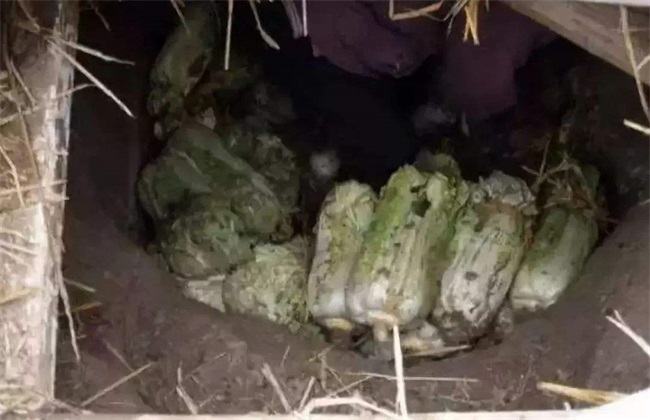
1. Cellar storage
Cellar storage is the most commonly used method for storing agricultural products in our country. Many farming households still have cellars at home now. The temperature in a cellar is relatively stable throughout the year, generally around 7-9 degrees. This temperature is very suitable for storing napa cabbage, and the humidity in the cellar is also relatively suitable. As long as it is reasonably sterilized, the napa cabbage can be stored for about three months, which is relatively suitable for winter storage of napa cabbage.
2. Cave storage
Like cellars, in some mountainous rural areas now, because of the terrain, building a cellar is not very convenient. Therefore, a sweet potato cave is dug in the mountain, and the location of the sweet potato cave is generally on the back of the mountain. If the sweet potato cave is relatively large, it can be dozens of square meters, and a smaller one can also hold several thousand jin of napa cabbage. Its function is similar to that of a cellar, and the temperature and humidity can also be similar. It is very suitable for storing cabbage that needs to overwinter, and it is convenient to enter and exit, so it is very widely used in rural areas.
3. Storage precautions
When napa cabbage is stored in winter, the temperature should be controlled within the range of minus one degree to one degree, and the air humidity should be maintained at about 88%. Under the same humidity environment, if the temperature in the storage space is higher, then the loss of the cabbage will be greater. Therefore, when storing, attention should be paid to maintaining a good low-temperature environment. And under the same temperature environment, if the humidity is too high, although it can reduce water loss, relatively serious leaf drop and rotting will occur. So we should not only pay attention to doing a good job of temperature regulation, but also pay attention to maintaining good humidity.
The loss produced by napa cabbage during storage is mainly leaf drop in the early stage, and in the middle and late stages it is caused by rotting. The main cause of leaf drop in napa cabbage is high temperature and high humidity, or excessive sun-drying of the cabbage, which causes the cabbage tissue to wilt and causes an abscission layer at the base of the cabbage petiole. In the middle and late stages of storage, if the temperature is too low and management is improper, the napa cabbage will suffer freeze damage, which will also cause the napa cabbage to rot. In addition to the above storage methods, the methods by which napa cabbage can be stored also include trench burying, stack storage, and deep burying on site. Everyone can use suitable methods for storage according to market demand.
The above is a brief introduction to the precautions for storing napa cabbage. That is all for today's introduction. This article is for reference only, and I hope it can help everyone!