Symptom Identification and Control Methods of Penicillium Mold in Edible Mushrooms
During the cultivation of edible mushrooms, Penicillium mold is a common contaminating weed mold, also known as blue-green mold, and it can infect at every stage of edible mushroom production. It causes lesions on edible mushroom fruiting bodies and seriously affects the yield and quality of edible mushrooms. So how should it be controlled? Follow along with the editor to take a look.
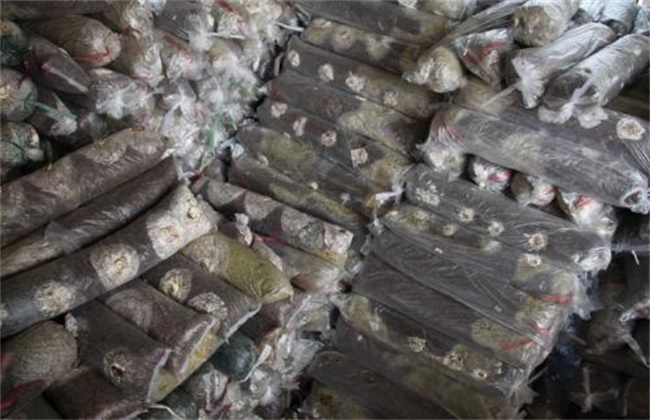
1. Symptoms
When Penicillium mold occurs on the substrate, its mycelium is initially white, and the colony is nearly round to irregular in shape with a slightly powdery appearance. As spores multiply in large numbers, the colony color changes from white to blue or green, which is also the origin of the name blue-green mold. The colony edge is white and spreads relatively slowly, while the surface of old colonies interweaves to form a membranous layer that directly covers the substrate, and it also secretes toxins that cause the death of edible mushroom mycelium. During the edible mushroom cultivation process, in severe cases it can cause spawn to be discarded, and during the spawn-running period it may result in no mushrooms emerging from localized areas of the substrate surface.
2. Occurrence Pattern
Penicillium molds all belong to the Deuteromycetes Penicillium fungi. During growth, the pathogen colonies appear blue-green. The pathogen is widely distributed and is mostly saprophytic or weakly parasitic. During edible mushroom cultivation, it is mainly introduced into the substrate through airflow for primary infection, and contaminated raw materials are also the most important source of infection in the cultivation process. After infection, its conidia undergo secondary infection via airflow, insects, artificial watering, and management operations. It is most likely to occur at a temperature of 28-30 degrees, where conidia form mycelium in a short time and rapidly reproduce more conidia. Most Penicillium species prefer acidic environments, so the disease is more likely to occur when the substrate and casing soil are acidic.
3. Control Measures
First, do a good job of disinfection, sterilization, and lighting in the inoculation room, cultivation room, and production site, keep the environment clean, and strengthen ventilation to prevent the pathogen from spreading. Next, adjust the pH of the substrate to make it slightly alkaline, and spray lime water after harvesting mushrooms to stimulate the growth of edible mushroom mycelium and inhibit the occurrence of Penicillium mold. When it occurs locally in bag cultivation, a 15% formaldehyde solution can be injected; for log cultivation, lime water can be used for scrubbing; for mushroom beds, a solution of 1% kemeling, 0.5% duofengnong, 0.1% shibaogong, and 0.1% puhaijin can be sprayed for control.
The above is an introduction to the symptoms and control measures of Penicillium mold in edible mushrooms. We hope it can help you. To learn more related knowledge, please stay tuned to us.