Management techniques for winter-crop peppers after transplanting
Peppers are among the most common vegetables in our daily lives, and many people simply cannot do without them at every meal. Growing overwintering peppers now allows them to reach the market around the Spring Festival and bring in higher returns. At this point, some growers are asking how winter-crop peppers should be managed after transplanting. Let's take a look together below.
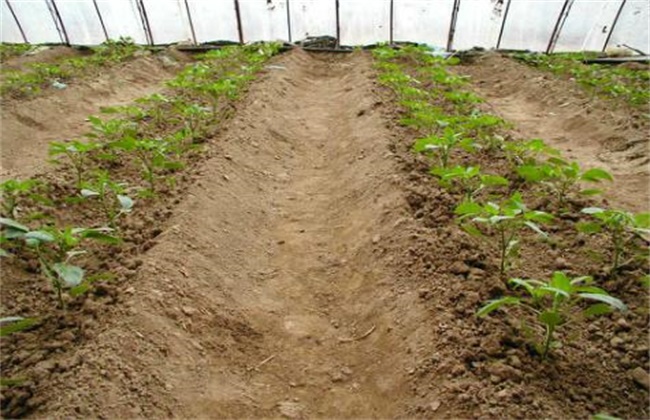
1. Temperature management
Winter temperatures are relatively low and cannot meet the needs of normal pepper growth, so before the seedlings have recovered, do not water, and keep the greenhouse properly closed to promote root development. During the day, the temperature should be controlled at 26-30 degrees, and at night kept at 18-20 degrees. After the seedlings have recovered, the daytime temperature should be controlled at 25 degrees, and at night kept at around 15-18 degrees. When the plants enter the flowering and fruiting stage, the temperature gradually drops, so the straw mats should be uncovered early and covered late, so that the temperature inside the greenhouse reaches an environment suitable for pepper growth.
2. Fertilizer and water management
After the peppers are transplanted, the temperature inside the greenhouse is relatively low, so watering should be reduced. When the soil becomes dry, 1-2 light waterings can be given. Watering should be done in the morning on a sunny day, and after watering the greenhouse should be closed promptly to raise the soil temperature and promote root development. In the afternoon, ventilation should be used to remove moisture and lower air humidity, so as to prevent pests and diseases. In deep winter, if water shortage occurs, light watering should be used, and flood irrigation must not be used. At the end of winter, when the temperature rises, try not to water, so as to avoid excessive vegetative growth and cause flower and fruit drop. The seedling stage is a key period for pepper fertilizer needs. At this time, some decomposed organic fertilizer should be applied. In greenhouses with severe disease, some bio-organic fertilizer can be applied, which can improve soil structure and reduce the occurrence of diseases.
3. Pruning and fruit thinning
During the pepper growing period, deformed fruits and side branches below the first fruit should be removed in time. This can save nutrients, promote full fruit development, and increase both yield and quality. To prevent the plants from lodging, measures such as staking and trellising can be adopted. When the plants grow to 40 cm tall, hang the vines, which can prevent lodging caused by bearing too much fruit.
4. Flowering stage management
Low temperature, high humidity, and weak light in winter are one of the main causes of flower and fruit drop in peppers. Therefore, when winter-crop peppers enter the flowering stage, measures such as appropriately increasing ventilation, lowering humidity, increasing light, and raising temperature should be taken to improve the fruit-setting rate, which has a clear effect on increasing yield.
The above is an introduction to how winter-crop peppers should be managed after transplanting. We hope it can help you. To learn more related knowledge, please stay tuned to us.