What to Do About Tough, Stunted Tomato Fruit? Detailed Explanation of Causes and Control Measures
Tough, stunted tomato fruit is a common phenomenon in tomato production. It seriously affects tomato quality and yield and causes huge economic losses for farmers. So what causes tough, stunted tomato fruit? How should it be controlled? Let's take a look together.
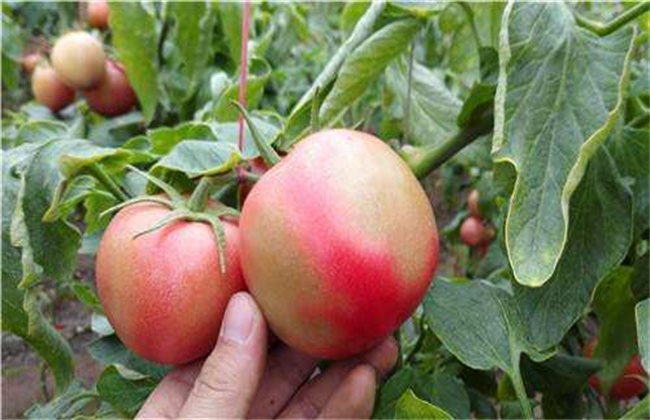
I. Causes of Tough, Stunted Tomato Fruit
1. Too-high temperatures during the flowering period lead to poor pollination, which blocks the formation of seeds and the fleshy part of the fruit. The nutrients needed for fruit enlargement cannot be supplied, so fruit enlargement slows down, and over time tough, stunted fruit appears.
2. During planting, many farmers apply excessive nitrogen fertilizer to promote tomato growth. This causes excessive vegetative growth, inhibits reproductive growth, and results in tough, stunted fruit.
3. During the fruit enlargement period of tomatoes, continuous rainy weather prevents photosynthesis from synthesizing sufficient nutrients, causing fruit growth to stall and form tough, stunted fruit. Insufficient fertilizer and water supply, or high temperature and drought, can also very easily lead to tough, stunted fruit.
4. When many farmers carry out flower pollination by spotting, improper hormone use or too much phosphate fertilizer affects the roots' absorption of potassium fertilizer, which can also produce tough, stunted fruit.
II. Control Measures
1. Reasonably regulate temperature
Too-low temperature is the main cause of tough, stunted fruit. This is especially true during cloudy, rainy, or snowy weather in spring and autumn, when there is little light and nighttime temperatures are high. Tomato leaves produce fewer nutrients, but respiration at night is vigorous and consumes more, so more tough, stunted fruit forms. At this time, adjust the greenhouse temperature well and keep the nighttime greenhouse temperature between 10-12 degrees to reduce nutrient consumption and reduce the occurrence of tough, stunted fruit.
2. Water and fertilize reasonably
For tomato topdressing, mainly use nitrogen-phosphorus-potassium compound fertilizer and organic fertilizer. Each time, applying 20 kg of nitrogen-phosphorus-potassium per mu is appropriate. Insufficient fertilizer supply, poor plant growth, or excessively sufficient fertilizer causing excessive vegetative growth can all easily cause tough, stunted fruit. This is especially true for tomatoes in the later growth stage; be sure to ensure sufficient nutrients, and pay special attention to supplementing potassium fertilizer. For watering, micro-irrigation is best. Never use flood irrigation, so as to avoid root damage from too much water at low temperatures, which weakens the roots' ability to absorb nutrients and causes tough, stunted tomatoes.
3. Use plant growth regulators reasonably
When carrying out flower pollination by spotting on tomatoes, pay attention to the timing, concentration, and amount of the agent. It is best to spot flowers when the tomato flowers are fully open. Too early easily forms tough, stunted fruit, and too late easily causes the fruit to crack. The prepared concentration should be reasonable. Generally, for flower spotting, the concentration of 2,4-D is 10-25 mg/kg. At low temperatures, the concentration should also not exceed 25 mg/kg. Too high a concentration will cause tough, stunted fruit. In addition, 0.5% potassium dihydrogen phosphate mixed with a plant growth regulator can also be sprayed on the leaves to supplement nutrients, regulate growth, and reduce tough, stunted fruit.
The above is an introduction to the causes of tough, stunted tomato fruit and control measures. We hope it can help you. If you want to learn more related knowledge, please follow us.