What to Do About Low Yields of Autumn-Winter Peppers? Cause Analysis and Solutions
Peppers are one of the common vegetables in our lives, and in many regions people cannot do without them at all three meals a day. Although it is now the autumn-winter season with lower temperatures, quite a lot of people still grow peppers. Many growers have found that the yields of autumn-winter peppers are relatively low. What is going on here? Let's take a look together.
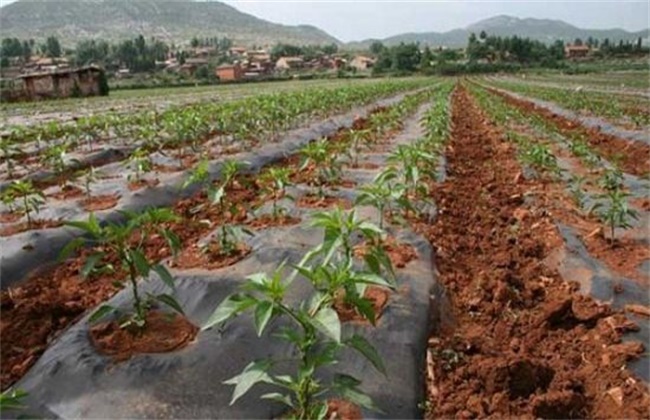
I. Causes of Low Yields in Autumn-Winter Peppers
1. During the growth process, factors such as poor root development, insufficient fertilizer and water, and poor light easily lead to deformed fruit and split-lobed fruit, seriously affecting the yield and quality of peppers.
2. In autumn, the temperature turns cooler after fertilization, but sometimes the temperature is still relatively high. If peppers encounter a high-temperature, high-humidity environment during the flowering and fruiting stage, and then low temperatures and scant light in the late growth stage, pollination will fail to occur on schedule, resulting in a lower fruit-setting rate of peppers, and naturally the yield will also decline.
3. During the fruiting stage of peppers, the temperature is relatively low, and it is relatively difficult for the roots to absorb phosphorus fertilizer. This very easily leads to lower anthocyanin synthesis, causing purple spots to appear on the fruit, seriously affecting the quality of the peppers.
II. Solutions
1. Lower the temperature and control humidity
During the growth period of peppers, the temperature should be lowered and humidity controlled. During the day, keep the temperature between 25-28 degrees; at night, keep it between 15-18 degrees; and maintain air humidity between 60%-70%. Only in this way is it beneficial to the growth and development of pepper fruit and helpful for increasing yield and quality.
2. Increase temperature and preserve moisture
In the late growth stage of peppers, the temperature is relatively low, and the light is weaker and shorter, so measures should be taken to increase temperature, prevent cold damage, and increase light. At the same time, fertilizer and water management should be strengthened, and phosphorus and potassium fertilizer should be applied more, so as to provide sufficient nutrients for fruit growth and development and promote normal fruit development.
3. Coordinate reproductive growth and vegetative growth
In the late growth stage of peppers, reproductive growth and vegetative growth advance side by side. If too much nitrogen fertilizer is applied, it will cause peppers to grow excessively, causing vegetative growth to exceed reproductive growth and resulting in poor nutrition in the fruit. Therefore, during the flowering and fruiting stage, fertilizer and water management should be strengthened, phosphorus and potassium fertilizer should be applied more, nitrogen fertilizer should be applied less or not at all, and watering should not be done by flooding. Appropriate intertillage and loosening of the soil should be carried out to improve soil permeability.
The above is an introduction to the causes of low yields in autumn-winter peppers and the solutions. We hope it can help you. If you want to learn more related knowledge, please stay tuned to us.