How to fertilize asparagus for high yield? Detailed explanation of key fertilization techniques
Asparagus is a perennial plant of the Asparagaceae family and a very popular vegetable. Its young shoots are the main edible part, and asparagus has very high nutritional value. It is rich in nutrients such as vitamin B and vitamin A. Therefore, its planting area in our country is now very large. When growing asparagus, we need to do a good job of fertilization to ensure its yield. So let's take a look below at the high-yield fertilization techniques for asparagus!
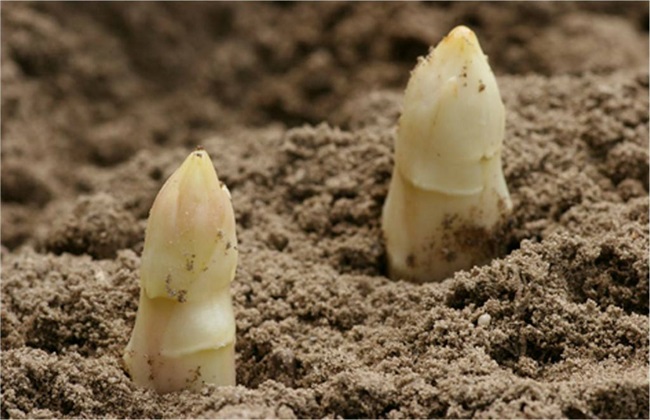
1. Fertilization during the seedling stage
When sowing and raising asparagus seedlings, if the soil is rich in organic matter, then no fertilization is needed during the seedling growth period. When the seedlings have grown for two months, they can be transplanted into the field. If conditions permit, fertilizer can be applied twice at 20 days and 40 days after full emergence, mainly using decomposed farmyard manure, or low-concentration urea water can also be used. If it is dry urea, then special attention must be paid to controlling the application rate, and it must not be applied when there is dew. After broadcasting dry urea, appropriately loosen the soil and water it, then the urea enters the soil and dissolves.
2. Fertilization after planting
After asparagus is planted and the seedling recovery period ends, it formally enters the growth stage. During this period, because the growth amount of asparagus is not large and the root absorption capacity is not strong, topdressing should follow the principle of many times and small amounts, with quick-acting fertilizers as the main type. Carry out the first fertilization about one month after planting, applying an appropriate amount of urea, compound fertilizer, etc., mainly by spot application and furrow application. Water appropriately after fertilization to improve the absorption rate of the asparagus plants. Then after the first fertilization, topdress once every month, for about two topdressings. Each fertilization should involve opening shallow furrows around the plants to ensure uniform absorption by the plants.
3. Fertilization during the spear harvesting period
After asparagus enters the harvesting period, quick-acting fertilizers should be appropriately applied, such as urea, potassium chloride, etc. Compound fertilizer can also be applied, mainly by foliar topdressing or furrow application. Topdressing during the harvesting period is mainly to ensure the continuous growth of the mother stems, enhance photosynthetic capacity, and increase the accumulation of nutrients in the mother stems. It can also supplement nutrients to the soil and ensure nutrient absorption by the root system. If it is foliar topdressing, then substances such as urea, borax, and monopotassium phosphate can be used to prepare the solution, and then sprayed.
4. Fertilization after spear harvesting
After asparagus is harvested, a rejuvenation fertilizer should be applied once more, and the application of the rejuvenation fertilizer is very critical. If it is white asparagus, then organic fertilizer should be applied in furrows before leveling the ridges in the field; if it is green asparagus, then furrow fertilization should be carried out. Control the fertilization amount well, applying about 3500 kg per mu, together with about 80 kg of compound fertilizer. Ensure the quality of the farmyard manure and control the proportions of elements such as nitrogen, phosphorus, and potassium. This fertilization work directly affects the yield of the following year, so everyone must pay close attention to it.
The above is a brief introduction to high-yield fertilization techniques for asparagus. That is all for today's introduction. This article is for reference only, and I hope it can help everyone!