Detailed Explanation of Key Points for High-Yield Cultivation Techniques of Highland Barley
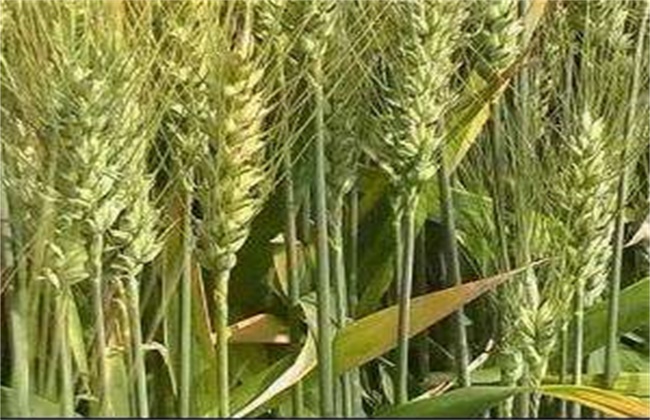
Highland barley is a cereal crop, also known as naked barley, yuan barley, or rice barley. It is mainly produced in Tibet, Qinghai, and other areas of China, and is the staple food of the people of Tibet. When planting it, if you want to increase its yield, you need to approach it from multiple aspects. Let's take a look at the high-yield cultivation techniques for highland barley together with the editor below.
1. Know
Land preparation is a very important part of the highland barley cultivation process. Especially after harvest, deep weeding of the planting area is needed. For spring sowing, shallow plowing should be carried out to prevent the plot from affecting the growth of highland barley, so that highland barley can grow more easily. If it is autumn sowing, the best sowing time is half a month after the autumn harvest. When plowing, diseased plants should be cleaned up promptly. For autumn planting, deep plowing is also needed, at least 20 cm or more. This can effectively eliminate weeds and pests. It can also play a certain role in cold protection, while also better maintaining soil fertility and reducing the impact of autumn drought. At the same time, according to the specific conditions of the plot, the land can be prepared into beds or ridges. After land preparation, insecticide and sterilization should also be carried out once to reduce the base number of pests and diseases as much as possible.
2. Sowing
Before sowing, varieties with good traits should first be selected. They have strong adaptability and can survive under harsh climate conditions. At the same time, the seeds also need to be dried. Adding seed coating during sowing can improve the survival rate of seedlings and also prevent them from being attacked by pests and diseases during growth. In high mountain areas, sowing is generally carried out in mid-to-late April, while in semi-high mountain areas it can be sown in mid-March. The sowing depth is generally about 5 cm. Too deep or too shallow is not conducive to seed germination.
3. Fertilization
When fertilizing, mixed fertilization techniques should be used according to the actual situation. First, before planting, mix organic fertilizer evenly and seal it for about 7 days. Compound fertilizer must contain nitrogen, phosphorus, and potassium, these elements beneficial to the growth of highland barley. Generally, only 400-500 kg of fertilizer needs to be applied per mu. When highland barley is heading, nitrogen fertilizer is no longer needed at this time, as it may cause late maturity. In the later stage of growth, the root system gradually ages and its absorption capacity declines, making premature aging very likely to occur. Therefore, foliar fertilizer should be applied in time to supplement the nutrients needed by the plant, promote root growth, and effectively extend leaf function.
The above is an introduction to high-yield cultivation techniques for highland barley. We hope it can help you. To learn more related knowledge, please stay tuned to us.