Why do soybeans only form pods without producing beans
Soybean is currently a relatively widely grown species, and it is widely loved by everyone due to its high yield and broad uses. But every year at harvest time, many growers encounter this problem, that is, there are no beans inside the pods. So what causes this? Let's find out below.
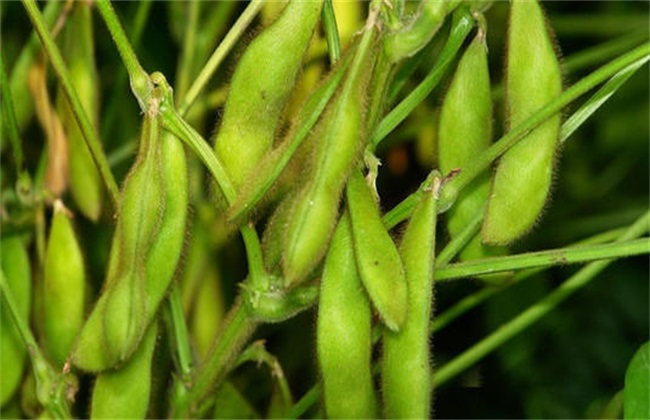
1. Poor seeds
Seeds of poor quality generally have problems during storage, which prevents them from reproducing normally during growth. Seed-induced empty pods are relatively serious, since most people's planting area is not small. Generally, as long as you make a rough comparison with others, you can judge whether it is a seed problem. If it is not convenient to compare with others, you can plant some other varieties in the same mu of land yourself, and compare them at harvest time to make a judgment, but you need to prepare in advance.
2. Pollen fertilization failure
Pollen fertilization failure can also lead to this situation. At this stage, if it is affected by external factors, this situation will occur. Common causes include high temperatures, heavy rain, and sustained windy weather. The pods begin to differentiate and provide a place for seeds to develop, but fertilization fails, the seeds lose their source, and in the end only an empty pod grows. Therefore, growers should pay more attention to the weather conditions during pollination.
3. Insufficient water
Many people think insufficient water will affect the entire plant, but in fact this only happens under very dry conditions. In dry and high-temperature seasons, the water source used by growers for irrigation is not enough to support the growth of the entire soybean plant, and pollen is the first to be affected. At this time, the pollen has insufficient vitality, and the chance of successful pollination decreases. Even if pollination succeeds with great difficulty, seed development will fail due to insufficient water, and in the end there will naturally be mostly empty pods.
4. Soil nutrient imbalance
The nutrients required for the growth of the beans inside the pods differ somewhat from those required by the pods, and some trace elements may also affect the growth of the beans, while the pods will gradually grow and develop as long as the three main nutrients are sufficient. When soil nutrients are imbalanced, the nutrients needed by the pods can basically be satisfied, but the beans may stop developing due to a lack of secondary and trace elements such as boron, magnesium, and zinc. The beans cannot grow, while the pods continue to grow. At this time, what growers see is vigorous soybean plant growth, and at harvest, a pile of empty pods.
The above situations are all relatively likely to cause empty pods, and everyone needs to pay more attention. Other factors such as pests will also corrode the beans, but this is relatively obvious, and everyone can discover and treat it in time at the early stage. If there are many empty pods for no apparent reason, then it is best to compare the above situations and see whether these causes are responsible.