What are the precautions for growing peanuts? Key management points explained
Management during the peanut growing period is still very important. Good management can greatly increase your harvest, since many losses are caused by inadequate management. So what are the main things to pay attention to when growing peanuts? How should management be carried out? Let's find out together below.
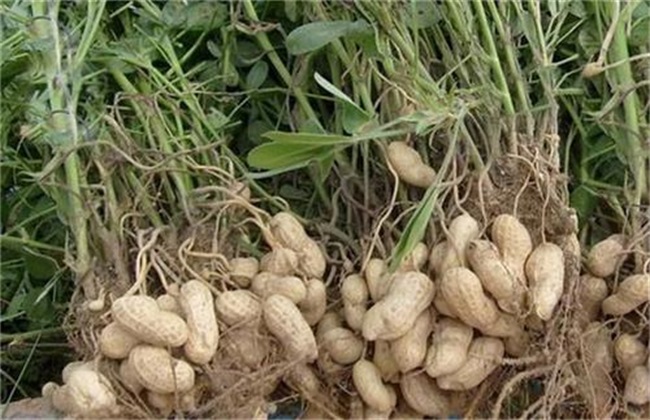
1. Weeding
Weeding is something that must be done when growing peanuts, since weeds grow quite fast. Peanut weeding follows these points: careful weeding in the early stage, rough weeding in the middle stage, and removing large weeds in the late stage. Peanut seedlings are relatively weak when young, so weeding should be more careful, and even slightly larger weeds should be removed to avoid hindering the growth of the peanut seedlings. By the middle stage, the peanut seedlings have already reached a certain size, and ordinary small weeds cannot threaten their growth, so simply removing some of the larger ones is enough. In the late stage, the peanut seedlings are basically fully formed, so simply clearing away some of the more vigorously growing large weeds is sufficient.
2. Removing diseased plants
During the peanut growing period, there are always some useless peanut seedlings in the field. These diseased plants need to be removed in time, otherwise they will affect the growth of other seedlings. It is best to also remove some seedlings that look rather abnormal, because no one can judge whether they have become diseased. For those that have begun to rot, even more attention should be paid, because such seedlings are generally somewhat infectious. After clearing away the diseased plants, make a mark, and afterwards pay more attention to the growth of the peanut seedlings near that diseased plant.
3. Loosening the soil
Everyone knows that the soil around peanut seedlings needs to be loosened, but many people may have some problems with the way they do it, because they are used to loosening the soil of the entire plot. In fact, this is not necessary every time you loosen the soil; besides the heavy workload, the benefit is not very obvious. Apart from the rosette stage and the pod-setting stage, when loosening the soil needs to be done across the whole plot, at other times you only need to dig the soil slightly between the plants, and this gives the highest benefit. So when loosening the soil, pay more attention to the growth stage of the peanut seedlings, and then loosen the soil accordingly.
4. Controlling density
There is one easily overlooked point in peanut cultivation, namely that after planting they are no longer moved, but this is actually a mistaken idea. After planting, check the growth of the peanut seedlings more often. If the growth is unsatisfactory in places where some seedlings are rather concentrated, you can appropriately move some of the seedlings. That way, even if some transplanted seedlings do not survive, it is still better than having this clump of peanut seedlings produce no harvest later on. Overly dense peanut seedlings ultimately give a relatively poor harvest, and this point deserves special attention.
The above are some things to pay attention to when growing peanuts. Actually, growing peanuts is not simple either; many things are quite easy to overlook. If you want a high yield, you always have to put in a bit more effort. I hope this brings you some help.