How to treat zucchini seeds? An introduction to practical methods
Zucchini, called small pumpkin by many people, is a cucurbit vegetable with rich nutritional value and high market demand, and it has a very large planting area in our country. When growing zucchini, in order to improve the germination rate of zucchini seeds as well as the later yield, we need to treat the zucchini seeds before planting. So how exactly should it be done? Below, the editor will briefly introduce it for everyone, let's take a look!
1. Seed selection
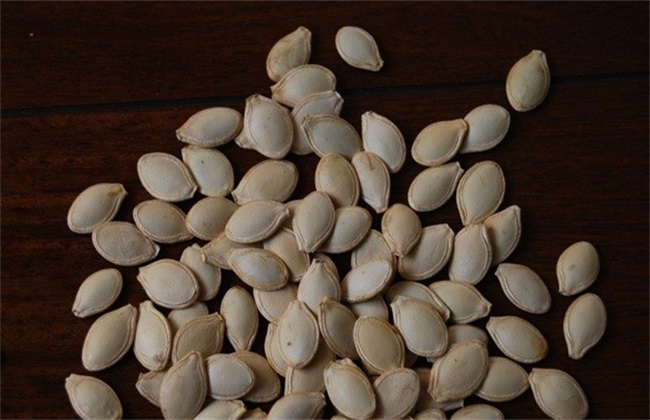
Before sowing zucchini seeds, we must first select good zucchini seeds. The seeds should mainly be fresh, glossy and have a high germination rate. For some whose seed coats are dull and show yellowing, these are generally old seeds that have been stored for a long time, and the germination rate of such seeds is generally relatively low, so they are not suitable for selection. Then we should pick out impurities, pest- and disease-damaged seeds, and seeds with wounds from within the seeds. To ensure the overall quality and germination rate of the seeds, the usual seed quantity per mu is controlled at about 200g.
2. Seed disinfection
Seeds may carry pathogens, so we should also do a good job of disinfecting the seeds before sowing. The seeds can be placed in warm water at about 60 degrees and soaked for about 10min; during soaking, be careful to keep turning the seeds, and when the water temperature drops to about 30 degrees, let the seeds soak for about six hours, then wash them clean and they can be germinated. The seeds can also be placed in carbendazim solution and soaked for about one hour, or soaked in potassium permanganate for half an hour, etc. After soaking the seeds, wash them clean with clean water and then place them in clean water to soak for 5 hours, which can achieve the purpose of sterilization and disinfection. However, be careful to control the concentration of the medicinal solution well to avoid phytotoxicity.
3. Seed germination
After completing the seed disinfection work, scoop out the seeds and then wash them repeatedly to remove the mucus on the seed surface. Then shake off the water, wrap the seeds well with a damp cloth, and place them in an environment of about 28 degrees for germination work. During germination, be careful to turn the seeds frequently, at least once a day. To ensure the seeds receive uniform temperature in all directions, under normal management, the seeds can generally sprout in about two days. Then when about 80% of the seeds' embryos have grown to about 0.5 cm, they can be sown.
4. Timely sowing
Before sowing, we must first prepare the seedling bed and pour sufficient warm water at about 35 degrees into the soil. When the water has seeped down into the lower soil layer, cover one side of the upper soil layer with culture soil and then sowing can begin. The zucchini seedling method is mainly seedling cultivation in nutrient pots; sowing one seed into each nutrient pot is enough, and after sowing, cover with a layer of about 4 cm of nutrient soil. Generally, after all nutrient pots have been sown, cover the whole seedbed with another layer, then cover appropriately with film to maintain soil moisture, and seedlings will emerge after about 7 days. When about 75% of the seedlings have emerged, the plastic film should be removed to avoid seedling scorching.
The above is a brief introduction to zucchini seed treatment methods. That is all for today's introduction. This article is for reference only, and I hope it can be helpful to everyone!