What kind of growing environment suits sweet potato slips
In China, the sweet potato is both a food crop and a vegetable crop, and demand for it in China is fairly high. Not only do the tubers of the sweet potato have considerable food value, but sweet potato slips are also very popular. When planting, if the goal is to harvest sweet potato slips, then the surrounding growing environment is very important. So what is the growing environment for sweet potato slips? Let's take a look together below!
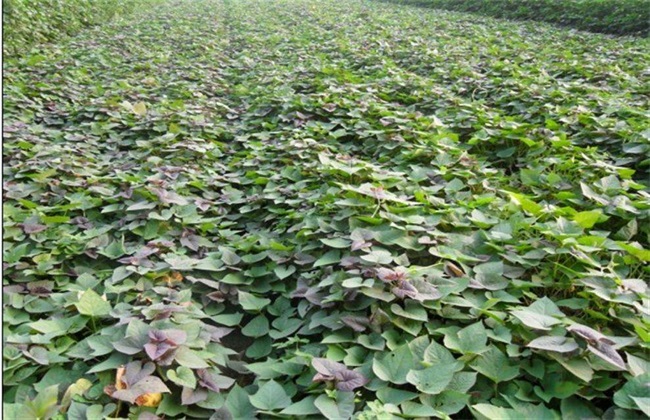
1. Water
The sweet potato is fairly strong in its drought tolerance, but it still needs a certain amount of water during growth. Too much or too little water is very unfavorable for increasing the sweet potato's yield. The sweet potato has poor waterlogging tolerance, especially during the tuber-forming stage; if it is flooded, the yield will be seriously affected. If soil moisture is unstable, the sweet potato tubers are very prone to skin cracking. At the same time, we must also control air humidity well; if humidity is too high, aerial roots tend to form on the stems of sweet potato slips, which reduces the quality of the slips. Therefore we must control air humidity well, water reasonably according to actual conditions, drain when there is too much water, and water when there is too little.
2. Temperature
The sweet potato likes to grow in a warm environment. When sweet potato seedlings are planted, if the temperature of a soil layer about 8 cm deep is 10 degrees, then they will basically not take root. At 15 degrees it also takes 5 days to take root, and for sweet potatoes to root normally it should be kept above 18 degrees. At 25 degrees, the stems and leaves grow fairly quickly; the higher the temperature, the faster the stems and leaves grow. However, if the temperature is too high, it will still affect tuber enlargement, and the most suitable growing temperature for sweet potato slips is generally around 22-24 degrees. If it exceeds 20-30 degrees, it will affect tuber enlargement, and then attention should be paid to maintaining a relatively large day-night temperature difference to promote tuberous root enlargement and increase nutrient accumulation.
3. Light
Light is also very important for the growth of sweet potatoes. Suitable light can deepen leaf color, prolong leaf age, and enhance the growth capacity of stems and vines. It is beneficial for the absorption and transport of nutrients, and the yield can also be noticeably increased. If there is insufficient light, then the leaves of sweet potato slips will clearly lose their color and a large number of leaves will drop, producing growth completely opposite to that of sweet potato slips with sufficient light, and the yield will naturally be affected and decline. Suitable daily light duration is very important for the growth of stems and leaves, so everyone must pay close attention to this.
4. Soil
When planting sweet potatoes, the choice of soil naturally also requires special attention. Generally, sweet potatoes are suitable for growing in sandy soil with strong permeability, good drainage and irrigation, and rich humus. If the soil is too sticky and heavy, then the quality of the tuberous roots will clearly decline, and the quality of the sweet potato slips will also be affected; not only will the yield be low, but their storage quality will also be affected. However, note that sandy soil generally does not have very good fertilizer and water retention capacity, so attention should be paid to gradual fertilization to improve soil fertility. Then the soil pH should be kept at around 5.5-6.5. If the soil salt content exceeds 0.2%, then it is not suitable for planting sweet potatoes.
The above is a brief introduction to the growing environment of sweet potato slips. That is all for today's introduction. This article is for reference only, and we hope it can help everyone!