What are the storage methods for konjac? Teach you how to store konjac correctly
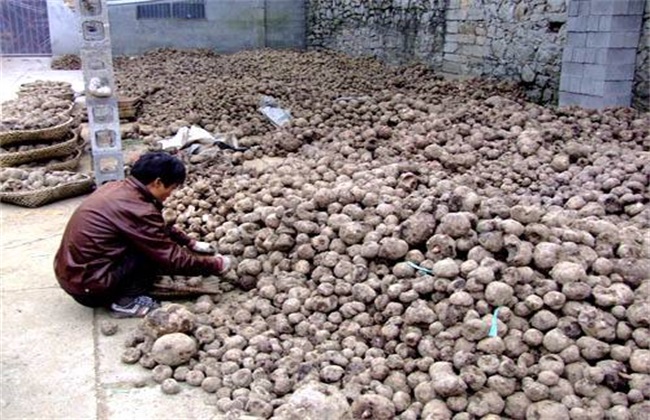
Konjac is a relatively popular vegetable in our country, and now as time goes on, it has gradually reached the end of autumn. Late autumn is also exactly the harvest season for konjac, because konjac has a relatively high yield. So if some harvested konjac cannot be processed and brought to market in time, then we all need to do a good job of storage to avoid rotting. So how should konjac be stored? Below, the editor brings you the storage methods for konjac. Let's take a look together!
1. Storage in piles in the field
When we harvest konjac, if the yield is too large to bring it all to market, then we do not need to dig out all the konjac. We can leave a portion of the konjac in the field where konjac is grown. About 30 days after the seedlings on the aboveground part of the konjac wither, choose a piece of nylon film and cover the field directly with it, then use stones to press the film firmly and tightly to prevent air and water leakage. Also dig a small ditch around the field to avoid water accumulation. Then you can process and eat it as you harvest.
2. Storage by burying in soil
After all the konjac has been harvested, if it needs to be stored, we can also choose the method of storage by burying in soil. First choose a place with high terrain, shelter from the wind and sufficient sunlight, and dig a rectangular soil pit about one meter deep, with the length and width depending on the storage quantity. Then spread a layer of dry grass at the bottom of the pit, put the konjac into the soil pit, and after piling up the konjac, spread another layer of rice straw, and finally cover it with soil.
3. Indoor storage
For indoor storage, first prepare a basket, then fill the basket with konjac, and pour blighted grain into the basket to fill the gaps between the konjac. Then place the basket in a ventilated and dry place indoors, and at the same time maintain a good temperature; the temperature must not be too low. About 30 days after the konjac seedlings wither and die is the best digging period for konjac. Because after the konjac seedlings wither, the underground konjac tubers will still continue to grow; if harvested too early, the konjac is relatively tender and its storage performance is also relatively low. Then after harvesting the konjac, be careful to remove damaged sprouts, then separate commercial konjac from seed konjac, and store them after the surface moisture of the konjac has slightly dried.
4. Cellar storage
If there is a cellar at home, then we can also use the cellar storage method to store konjac. However, note that no matter what form the cellar is, it must be ensured to have good insulation performance. And before storage, the cellar must be disinfected. Use thiophanate-methyl and similar substances to spray and disinfect the cellar, or use sulfur to fumigate and disinfect the cellar. Then put the konjac that needs to be stored directly into the cellar, keeping the storage quantity at about 2/3 of the cellar volume.
The above is a brief introduction to konjac storage methods. That is all for today's introduction. This article is for reference only, and I hope it can help everyone!