How to Hand-Pollinate Pumpkins: Detailed Methods and Steps
As a common cucurbit vegetable, pumpkins are grown on a very large area in our country. In rural areas, they are also a widely grown household vegetable. When growing pumpkins, hand pollination is necessary to increase the fruit set rate and yield. So how should pumpkins be hand-pollinated? And when should pollination be done? Today, the editor will give you a brief introduction. Let's take a look below!
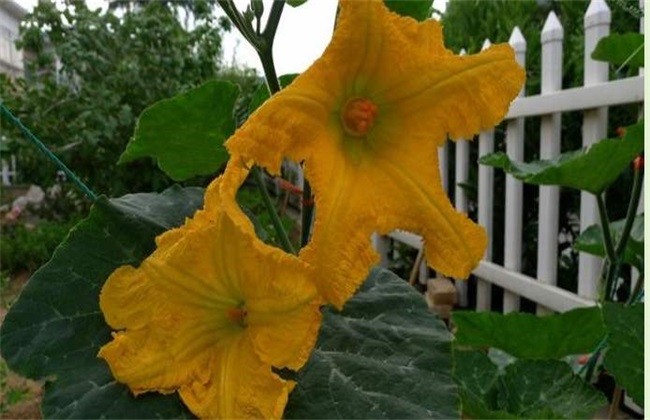
1. Why Hand Pollination Is Needed
Although pumpkins produce many female flowers during growth, their fruit set rate is not very high, which has a very large impact on the early maturity and yield of pumpkins. Therefore, we need to carry out hand pollination appropriately, because hand pollination is the main measure to ensure that pumpkins flower, bear fruit, and can set fruit normally. The pumpkin itself is a cross-pollinated plant with separate male and female flowers on the same plant. Without hand pollination, it can only rely on bees and other insects to spread pollen. If it encounters the rainy season, the insect pollination rate will be affected, causing pollen spread to be blocked.
2. Pollination Time
The time for hand pollination is very important. Generally, it should be done at 7-8 in the morning. If pollination is done too late, the vitality of the pollen will be reduced, the pollination effect will become worse, and the fruit set rate will not be ideal. It should not be done in rainy weather. In rainy weather, if the stigma of the female flower is washed by rainwater, the pollen will be washed away, and hand pollination will naturally have no effect. On the evening before pollination, tie up the corolla of the female flowers that can be pollinated, then untie them the next morning, and tie them up again after pollination. This can prevent rainwater from washing them away.
3. Pollination Methods
The method of pollinating pumpkins is very simple. First, collect pollen from the stamens of male flowers. Then directly sprinkle it onto the pistils of female flowers. However, before pollination, in order to improve the success rate of pollination, it is best to follow the previous method to prevent the female flowers from being exposed to rain. When collecting pollen from male flowers, you can directly brush the stamens of the male flowers with a writing brush, put it in a small dish, and then dip the pollen onto the stigma of the female flower.
You can also directly pick off the male flower, remove the petals, and then directly put the stamen over the female flower, allowing the pollen to fall naturally onto the stigma of the female flower. Finally, bees can be placed in the garden to achieve pollination through their pollen-collecting behavior, thereby increasing the fruit set rate and yield of pumpkins.
The above is a brief introduction to the method of hand-pollinating pumpkins. That is all for today's introduction. This article is for reference only, and I hope it can be helpful to everyone.