What are the precautions for growing pumpkins with plastic film mulching?
Pumpkin is a relatively popular cucurbit vegetable in China, so its planting area in China is also relatively large. When growing pumpkins, some basic management work is still very important. This includes plastic film mulching, which can increase pumpkin yield and expand planting benefits. However, there are many precautions when applying plastic film mulch. So what exactly are they? Let's take a look below!
1. Apply sufficient base fertilizer
Pumpkins have a relatively large demand for fertilizer nutrients during their growth process. So fertilizing is still quite important, but because after covering with plastic film, it is not very convenient to carry out intertillage and topdressing work. Therefore, in order to ensure that pumpkins can have sufficient growth nutrients, sufficient base fertilizer should be applied before covering with plastic film. The fertilizer should generally be mainly slow-release fertilizer, to avoid burning seeds and roots, which can cause pumpkin excessive vegetative growth. It should be applied as deeply as possible; if the fertilizer is applied too shallowly, it is very unfavorable for deep rooting. If there is a fertilizer deficiency phenomenon in the later stage of pumpkin growth, then appropriate topdressing should be carried out, or an appropriate amount of foliar fertilizer should be applied.
2. Water at the right time
After covering pumpkins with plastic film, the external water supply that pumpkin seedlings can receive will gradually decrease. Therefore, before mulching, we should pay attention to the soil moisture condition; the soil humidity should be kept at a level where it can form a ball when squeezed by hand and scatter when thrown to the ground. When mulching, if the soil water content is insufficient and water is not supplied in time, then after mulching, the soil temperature will gradually rise and soil moisture will rise. The soil layer 6-9 cm below the surface is then prone to drought, so attention should be paid to watering at the right time to avoid premature aging of pumpkins due to lack of water.
3. Planting density
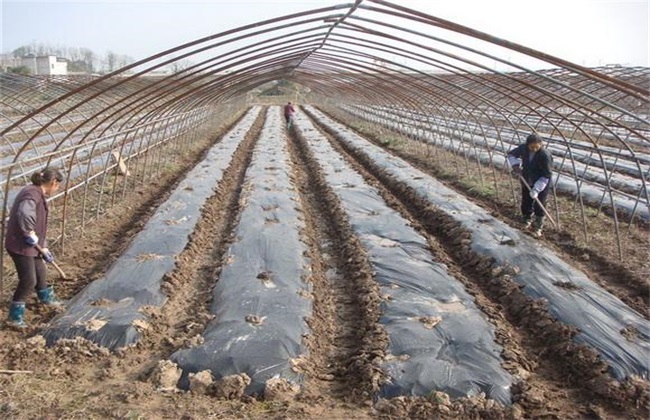
After mulching, pumpkin seedlings are prone to excessive vegetative growth, so we should also pay attention to the planting density of pumpkin seedlings. The density of pumpkins grown with film mulching should be slightly lower than that of pumpkins cultivated in open fields. We should also pay attention to the mulching method, because the effect of mulching is directly related to the mulching method. When mulching, the plastic film should be pulled flat and tight, and then pressed firmly. If the plastic film breaks, then it should be covered tightly with soil in time. Moreover, it is best to spray herbicide before mulching, otherwise it will be inconvenient to weed later.
4. Mulching time
When using plastic film mulching to grow pumpkins, they are prone to frost damage. So we should also pay attention to the timing of plastic film mulching. First, pumpkin seedlings should be transplanted after the late frost has passed. If direct seeding is used, then try to control it so that sowing is before frost and emergence is after frost. If plastic film mulching is used, then it should remain covered until harvest; it is best not to remove the plastic film midway through growing, and after pumpkin harvest, the residual film should be removed in time.
The above is a brief introduction to the precautions for mulching pumpkins with plastic film. That is all for today's introduction. This article is for reference only, and we hope it can be helpful to everyone!