What are the main factors affecting scallion yield?
Scallions are a very popular side vegetable in our daily lives. They are well liked by many people, so today there are a great many people growing scallions. Scallion cultivation techniques are relatively simple, and yields are relatively high, but during the growing process some problems can easily arise that affect scallion yield. So what factors affect scallion yield? Below, the editor will give you a brief introduction. Let's take a look!
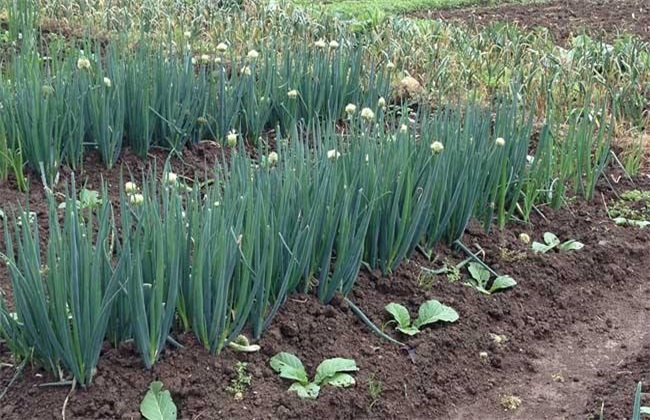
1. Soil
Soil is crucial to the growth of scallions. Today, in some of China's main scallion-producing areas, the soil is saline-alkali land. The surface layer of saline-alkali soil generally contains salt. This kind of soil has very poor permeability. If scallions grow in this kind of soil, their nutrient absorption will be affected, which is very unfavorable to their growth. In severe cases, it can even cause the roots of scallions to rot and die. This reduces scallion yield, so if you want to increase scallion yield, you must first pay attention to soil selection.
2. Continuous cropping
Scallions cannot be continuously cropped. If scallions are replanted on the same land, they become highly prone to soil-borne diseases. The pathogens in the soil will also accumulate more and more, leading to severe damage from diseases and pests such as scallion viral disease, purple blotch, and onion maggots. Moreover, scallions have the growth characteristic of selective absorption. If continuous cropping lasts for a long time, it will not only reduce the growth capacity of scallions but also change the physiological properties of the planting soil, having a very large impact on scallion growth, thus causing yield and quality to decline. Therefore, scallions should be rotated for at least two years or more.
3. Fertilization
If you want to increase the yield of planted scallions, then fertilization work is very important. However, if base fertilizer and topdressing are unreasonable during fertilization, it is very unfavorable to scallion growth. For example, if too much nitrogen fertilizer is applied, it will not only cause scallions to grow excessively but also lead to an imbalance in nutrient ratios during scallion growth. Nor should too much phosphate fertilizer be applied. If the soil phosphorus content is too high, it can easily cause soil compaction and reduce soil permeability. It will also affect the roots' absorption of other nutrients, such as potassium and iron, directly affecting scallion yield.
4. Diseases and pests
No matter what crop is planted, the prevention and control of diseases and pests is indispensable. Scallions are naturally no exception. When growing scallions, you must pay attention to doing a good job in disease and pest prevention and control. If prevention and control are improper, diseases and pests spread too quickly. This will not only increase the cost of disease and pest control and affect later prevention and control work, but the yield and quality of scallions will also be noticeably affected. Therefore, everyone should frequently observe the growth of scallions and, after discovering symptoms of diseases and pests, promptly treat them according to the symptoms.
The above is a brief introduction to the reasons affecting scallion yield. That is all for today's introduction. This article is for reference only, and I hope it can help everyone!