What are the common mistakes in fertilizing ginger?
Ginger is a very common side dish in our daily lives, and it also helps drive out cold and prevent colds. Its nutritional value is very high, so the area planted with ginger is still very large today. When growing ginger, fertilization is crucial to its growth. However, many farmers make some mistakes when fertilizing. So below, the editor has brought you the common ginger fertilization mistakes. Let's take a look!
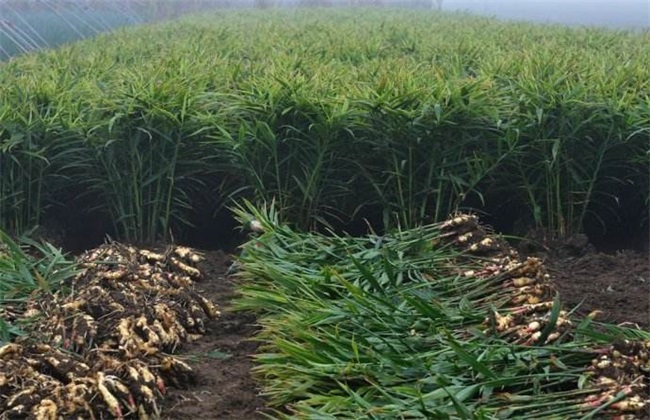
1. Organic fertilizer not fully decomposed
Organic fertilizer is very important for the growth of ginger and can provide it with sufficient nutrients. But some people, when applying organic fertilizer, do not fully decompose it, or apply it in a spot that is too concentrated. This causes the ginger plant's root system, when growing downward, to be burned by the heat generated by the fermentation of the fertilizer. Moreover, if the organic fertilizer is not fully decomposed, it will contain a large amount of bacteria, causing ginger root rot and affecting root growth. Therefore, when applying organic fertilizer, we must pay attention to doing a good job of fermentation and decomposition.
2. Not paying attention to trace elements
During the growth process of ginger, in addition to basic elements such as nitrogen, phosphorus and potassium, trace elements are also indispensable, such as calcium, magnesium and zinc. Many growers neglect the application of trace elements when fertilizing, resulting in poor growth of ginger. In fact, reasonable trace elements can accelerate plant growth, expand leaf area and increase the number of branches. Not only can they increase ginger yield, they can also reduce phenomena such as split skin and cracking, and enhance the quality of ginger. Therefore, we should pay attention to adding an appropriate amount of trace elements to the fertilizer to ensure normal growth.
3. Too much seed fertilizer
Before sowing ginger, using seed fertilizer for seed dressing can effectively increase the germination rate of ginger. But some people, when planting ginger, apply too much chemical fertilizer, and some even apply 200 jin of nitrogen-phosphorus-potassium compound fertilizer per mu. This seriously affects the rooting of ginger and lowers the germination rate. Even if it successfully germinates, the seedlings will show undesirable phenomena such as curled leaves and yellow leaves, causing a serious decline in ginger planting benefits.
4. Improper topdressing in the later stage
After ginger enters the later stage of growth, attention should be paid to controlling the amount of nitrogen fertilizer applied as topdressing. In the later stage, be sure not to over-apply nitrogen fertilizer, otherwise it is easy to cause excessive vegetative growth in ginger, affecting the development of underground rhizomes and leading to insufficient yield. Also, if after the major hilling of ginger and before harvest no attention is paid to topdressing, then the ginger tubers will not have sufficient nutrients, which will also affect yield. Therefore, in the later stage of ginger growth, we should pay attention to applying an appropriate amount of high-potassium compound fertilizer as topdressing, and it should be applied with irrigation water, to avoid excessive growth of ginger and provide sufficient nutrients for the growth of the ginger tubers.
The above is a brief introduction to the common mistakes in ginger cultivation. That is all for today's introduction. This article is for reference only, and I hope it can help everyone!