What are the nutrient deficiency symptoms in asparagus beans? A quick identification guide
Asparagus bean is a climbing vegetable plant that everyone is very familiar with. Its planting area in our country is also very large, and when growing asparagus beans, fertilization work is very important. Reasonable fertilization can supplement various nutrient elements for asparagus beans, thereby improving the yield and quality of asparagus beans. However, if nutrient elements are insufficient, asparagus beans will show various deficiency symptoms, so what are the nutrient deficiency symptoms of asparagus beans? Let's take a look below!
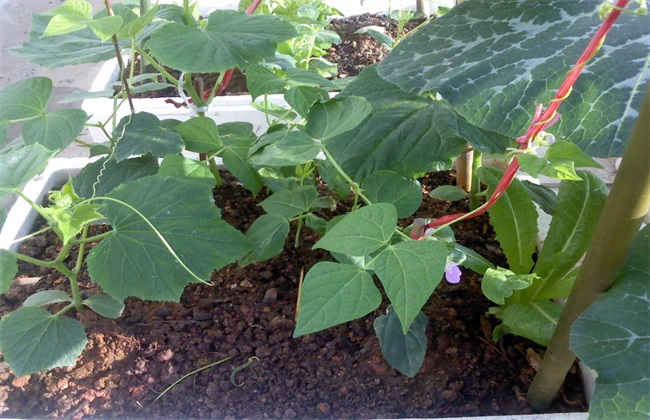
1. Nitrogen deficiency
If asparagus beans lack nitrogen, the main symptoms will appear at the base of the plant, where the leaves at the base begin to turn yellow. The newly grown leaves are small and thin, with a dull color. The plant will also gradually become shorter, the stems thin and weak, and the number of branches will also decrease. A large number of flowers and pods drop, the growth rate of asparagus beans will also drop significantly, and a large number of deformed pods appear. The plant's stress resistance will also become worse, and the disease incidence rate is relatively high.
2. Phosphorus deficiency
If asparagus beans lack phosphorus during growth, the growth rate of the asparagus bean plant will drop significantly. Similar to nitrogen deficiency symptoms, the stems become very thin and weak, and there are few branches or even no branching. Root development is seriously affected, with few new roots and extremely poor growth ability. Although the leaf color will deepen, it causes a lack of luster, the petioles fade to purple, and leaf drop is very likely to occur.
3. Potassium deficiency
During the growth of asparagus beans, if potassium is lacking, the old leaves at the base of the plant will begin to yellow at the edges. The leaves will also begin to show drying, with the color gradually turning brown, though the area around the veins and the middle of the leaves remains green. If potassium deficiency is severe, then a large number of leaves in the middle and upper parts of the plant will show dry tips and dry edges. The stems become thin and long, very prone to lodging, and pod development is seriously poor. Cold and drought resistance can easily lead to premature senescence and low yield.
4. Calcium deficiency
If asparagus beans lack calcium, it will affect cell division in the plant, causing the growth and development of root tips and stem tips to be inhibited. The plant's growth rate decreases, the new upper leaves begin to change, and usually their shape also begins to change. Leaf tips and leaf margins begin to necrosis from the outside inward, top bud growth is obviously poor, and in severe cases it can lead to rotting and death, and similar situations are also likely to occur at the root tips.
5. Boron deficiency
If asparagus beans lack boron, the symptoms will first appear on the plant's heart leaves and flowers and pods. In the early stage of boron deficiency, newly sprouted branches and top shoots stop growing, and new leaves show deformities, shrinkage, and similar phenomena. Irregular chlorotic patches also appear between the leaf veins. The old leaves at the lower part of the plant begin to thicken, and the leaves and stems also become brittle and very easy to break. When boron deficiency is severe, the growth points of both the roots and the aboveground parts begin to necrosis, the number of flowers and pods decreases significantly, and phenomena such as few flowers dropping and flowers failing to set fruit appear.
The above is a brief introduction to what the nutrient deficiency symptoms of asparagus beans are. In addition, magnesium, copper, iron and various other elements are also needed for the growth of asparagus beans, so everyone should pay more attention. That is all for today's introduction. This article is for reference only, and I hope it can help everyone!