What are the planting precautions for cherry radishes?
Cherry radishes look cute and have a crisp, refreshing taste, making them very popular. They can be eaten raw, stir-fried or pickled, and have a unique flavor. So how should cherry radishes be planted? What should be paid attention to during the planting process? Let's take a look.
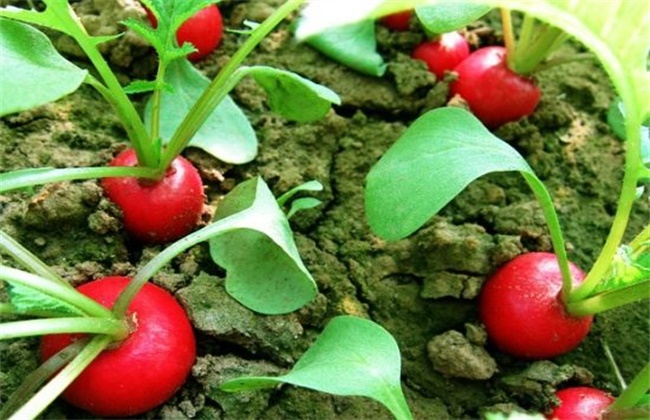
1. Soil
The fleshy root of the cherry radish is relatively small, so its growing period is short, and there is no excessive requirement for soil layer thickness. It is only necessary to ensure a soil layer of about 20 cm, but it is best to choose sandy loam soil, as it is loose and better for both watering and drainage. Try not to have debris such as crushed stones and broken tiles in the soil, so as to avoid damaging the fleshy root. Before planting, the soil should be plowed and exposed to the sun, then finely broken up and leveled. There is no need to apply too much base fertilizer; generally 1000-2000 kg per mu is sufficient. Fertilization should be uniform. If the fertilizer is not uniform, it can easily cause damage from excessive fertilizer in local areas, resulting in uneven sizes of the harvested crop.
2. Pay attention to watering
During the seedling stage of cherry radishes, the water demand for watering only needs to ensure the moisture requirement for seed germination and maintain soil moisture, so water less, which helps inhibit excessive growth of the aboveground part. From emergence to the formation of the fleshy root takes about 15 days. During this period, the soil should be kept moist, and watering should be uniform. The appropriate water content is 70%-80%. When water is insufficient, the fibrous roots of the fleshy root will increase, leading to rough skin, a strong spicy taste, pithiness and other problems, which is not good for quality.
3. Pay attention to pest and disease control
The main diseases of cherry radishes include damping-off and black spot, and the main pests include aphids and cabbage caterpillars. Disease control should start from the source. When harvesting in autumn and winter, disease-free seed plants should be selected to reduce the virus source for the next year, and the virus carried by seeds should also be reduced. Crop rotation should be arranged reasonably, avoiding continuous cropping or adjacent cropping, to reduce sources of virus transmission. During the seedling stage, the seedlings are weak, and at this time they are highly susceptible to virus invasion, so pesticides should be sprayed promptly for control to avoid transmission by aphids. In autumn and winter cultivation, sowing should be done at the right time so that the seedlings avoid the hot and dry season and are sown in the cool season, which can reduce the chance of disease.
The above is an introduction to the planting precautions for cherry radishes. We hope it can help you. If you want to learn more related knowledge, please stay tuned to us.