What causes leggy eggplant seedlings? Detailed explanation of causes and prevention measures
When growing eggplant, you first need to raise seedlings, and during the seedling-raising process, leggy growth of eggplant seedlings is very likely to occur. This is unfavorable for the formation of strong eggplant seedlings, leads to difficulties in later cultivation, and directly affects yield. So what causes leggy eggplant growth? How can it be prevented? Let's find out together.
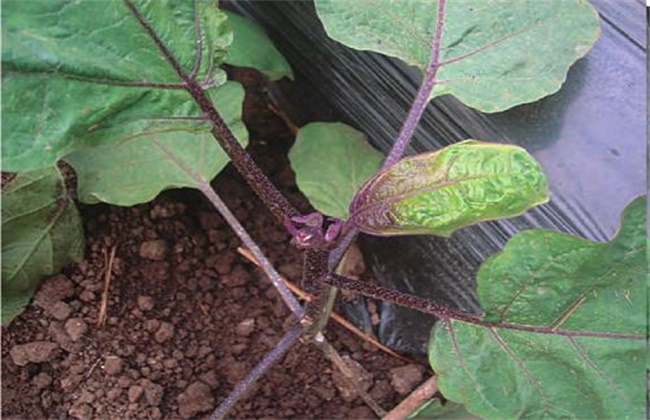
1. Harm of leggy eggplant growth
After eggplant seedlings become leggy, because the cuticle layer on the surface of stems and leaves is not well developed and water evaporation is high, they easily lose water in the wind and wilt; the nitrogen content in the plant body is relatively high while the carbohydrate content is low, resulting in poor stress resistance and making the plants highly susceptible to disease. Leggy eggplant seedlings cause nutritional deficiencies, easily leading to later flower bud differentiation and fewer flower buds, causing abnormal flower organ development, and making deformed fruit or stiff fruit very likely to appear. After planting, they also recover slowly and have a low survival rate.
2. Causes of leggy eggplant growth
There are many causes of leggy eggplant growth, and the period when it is most likely to occur is the stage when the seedlings emerge and the cotyledons unfold. At this time, leggy growth is mainly due to sowing too densely and failure to remove the covering in time after the seedlings emerge, causing the seedlings to be too crowded and thus become leggy. Failure to lower the temperature in time after emergence also very easily causes leggy growth. During the cotyledon unfolding stage, failure to thin the seedlings in time or excessive temperature can also cause the seedlings to be too crowded and become leggy. Before planting and recovering from transplanting, continuous rainy days, high humidity in the seedbed, and too much nitrogen fertilizer can also very easily cause leggy growth.
3. Prevention measures
On the premise of ensuring a suitable seedbed temperature, the covering should be removed in time, and the duration of natural light on the seedbed should be extended as much as possible so that the seedbed has sufficient light and vigorous seedling growth is inhibited. At the same time, the seedbed temperature should be appropriately lowered. When half of the seedlings in the seedbed have emerged, the daytime temperature should be lowered in time to 25 degrees, and the nighttime temperature must not exceed 15 degrees. If the seedlings are too crowded and become leggy because the density is too high, thin them early to widen the spacing between seedlings. At the same time, strengthen seedbed management and spray foliar fertilizer in time to supplement seedling nutrients. For those that have already become leggy, growth regulators such as chlormequat can also be sprayed on the leaves to inhibit leggy growth.
The above is an introduction to the causes of leggy eggplant growth and prevention measures. We hope it can help you. To learn more related knowledge, please keep following us.