What methods are there to increase yield during the pumpkin flowering period?
Pumpkin flowering is a special and important period. When the plants enter this period in large numbers, you need to be careful, because this period directly affects the yield, that is, your returns. So how should you manage the pumpkin flowering period to increase yield? Let's find out together.
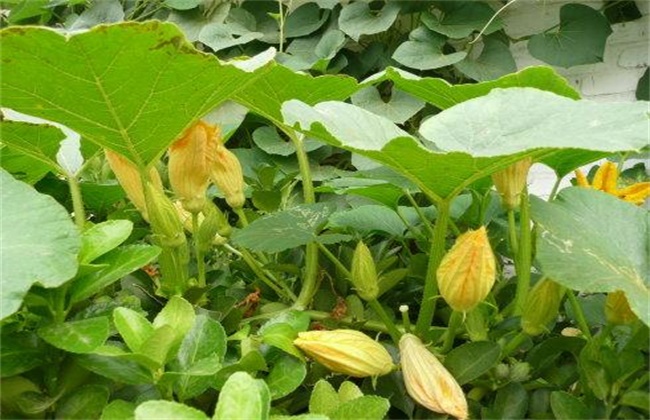
1. Control fertilizer and water
The flowering and fruiting stage of pumpkin is a very important period in the entire growth process of pumpkin. During this period, growers should use techniques to achieve a balance between the reproductive growth and vegetative growth of pumpkin. Unless there is drought in the later stage, generally no watering is needed. As for fertilizing, mainly use phosphorus and potassium fertilizer, and try not to apply nitrogen fertilizer, so as to avoid excessive vine and leaf growth, which has a great impact on yield.
2. Regulate growth
After the fruit set is stable, the growing point of the terminal bud on the vine can be removed, that is, pinching. The reason for doing this is to prevent the vines from continuing to grow, thereby consuming the plant's nutrients and causing insufficient nutrition for fruit growth. During excessive growth, before fruiting, remove the extra branches and forks, and also remove the non-fruiting vines. This can save nutrient consumption. At the same time, remove old leaves to prevent pests and diseases, and also increase the ventilation and light transmission of the plant.
3. Artificial pollination
In order to ensure the fruit-setting rate and prevent inadequate natural pollination, you can collect pollen manually, and then carry out artificial pollination in the light when it is sunny, in the evening, and windless. This can significantly increase the fruit-setting rate of pumpkin. You can also collect pollen for pollination directly in suitable weather by picking male flowers to pollinate female flowers directly. During pollination, observe carefully, and when poor pollination is found, pollinate once more.
4. Prevent pests and diseases
During the flowering and fruiting period of pumpkin, the main pests and diseases are aphids and red spider mites. Aphids harm many vegetable crops. Adults suck the sap of leaves, so that the leaves cannot carry out normal photosynthesis to produce nutrients for fruit growth and development, while larvae gnaw on the fruit and cause damage. Red spider mites mainly cause damage by piercing and sucking sap as well. Therefore, for pests and diseases, prevention should be the main approach. Once found, use pesticides promptly for control. For aphids and red spider mites, imidacloprid and fenbutatin oxide can be used for control. Use pesticides alternately to prevent resistance.
The above is an introduction to how to increase yield during the pumpkin flowering period. I hope it can help you. If you want to learn more related knowledge, please follow us.