How to manage greenhouse vegetables in winter? These key points you need to master
In winter, as the duration of light becomes shorter and the light intensity weakens, the photosynthesis of vegetables will correspondingly weaken, so the nutrients synthesized will also become lower. In addition, the ground temperature drops in winter, which can easily lead to problems such as weak vegetable growth and poor fruit development. So how should greenhouse vegetables be managed during the low-temperature winter season? Let's take a look.
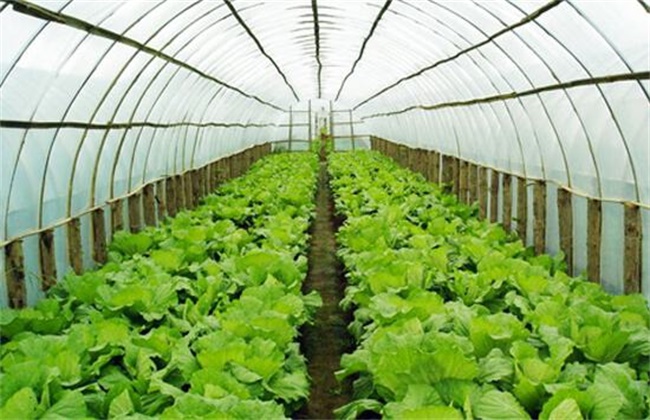
1. Control the temperature well
First, adjust the greenhouse temperature to within the range suitable for vegetable growth. A thermometer can be hung at the top of the vegetables. Generally, the ground temperature can be 3-7 degrees lower than that at the growing point. Note that if the temperature at the growing point is 34 degrees, then the suitable temperature is between 27-30 degrees, and this temperature range is the most suitable for photosynthesis. When cultivating in a greenhouse, plastic film should be laid on the ground to ensure sufficient soil water supply. Together with the transpiration of the vegetables, this lowers the leaf temperature, making the leaf temperature about 3-5 degrees lower than the air temperature. Increasing the air temperature in the greenhouse helps raise the ground temperature. If the ground temperature in the greenhouse is relatively low, it will not only be unfavorable to root growth and development, but will also affect the absorption function of the roots and cause the occurrence of various diseases. Generally, during the day, the ground temperature at a soil depth of about 5 cm can be 5-7 degrees lower than the greenhouse air temperature, and at night it should be 35 degrees higher than the air temperature.
2. Reasonably control humidity
Control the frequency of watering to reduce the humidity in the greenhouse, but also ensure that the water can meet the needs of crop growth and development. Covering the greenhouse with drip-free film can reduce air humidity. If ridge cultivation is adopted, plastic film can be laid on the ground, which not only maintains soil moisture and reduces evaporation, but also lowers air humidity. Vegetables should be reasonably densely planted to facilitate ventilation and reduce humidity. After planting and before covering with film, the soil should be cultivated and loosened in time after watering to reduce evaporation and maintain soil moisture.
3. Increase the ground temperature in the greenhouse
When cultivating vegetables in greenhouses in winter, it is best to choose transparent plastic film, which can not only increase the ground temperature, but also have a weeding effect if it also serves that purpose. At the same time, it is also necessary to do a good job in pruning and removing side shoots of the vegetable plants and adjusting the field structure.
The above is an introduction to the key points of winter greenhouse vegetable management. I hope it can help you. If you want to learn more related knowledge, please stay tuned to us.