The correct method for watering and fertilizing autumn Chinese cabbage
Autumn is the season for Chinese cabbage. At this time, in many areas where it is planted earlier, the Chinese cabbage has already emerged. However, to manage Chinese cabbage well and achieve a high, abundant harvest, watering and fertilizing are very important. At each growth stage, watering and fertilizing should be carried out according to the different requirements of the plants. Do not do it blindly, so that high yield can be achieved. So how should autumn Chinese cabbage be watered and fertilized? Let's take a look together.
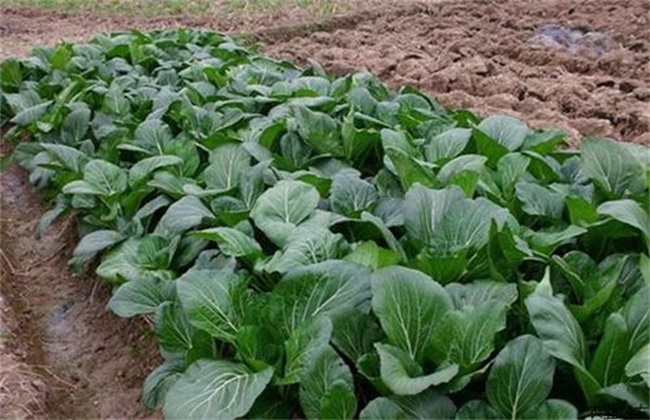
1. Germination stage
Chinese cabbage needs very little water during the germination stage, but the temperature at this time is relatively high, and the soil evaporates quickly. If watering after sowing, it should be done in one pass to bring all seedlings up. Watering again can easily cause the soil to crust. At this time, it is best to water before sowing or just after sowing. During the germination stage, there is generally no need to fertilize, so as not to be unfavorable to seed germination or even possibly cause the seeds not to germinate.
2. Seedling stage
The root system of Chinese cabbage seedlings is relatively shallow, and the growth amount is very small, but the growth speed is relatively fast, so it should be watered once at the proper time to supplement moisture, and watering should be carried out according to rainfall conditions. If it is a year with severe pests and diseases, the number of waterings should be appropriately adjusted to slow seedling growth and maintain soil moisture and temperature within a certain period, so as to avoid severe pests and diseases on the seedlings. Fertilization at the seedling stage generally needs to be done twice. The first time is when the seedlings grow 3-4 true leaves, applying 8-10 kg of ammonium sulfate per mu on both sides of the seedlings, and watering promptly after fertilization. The second time is at the final thinning stage, applying about 15 kg of ammonium sulfate in furrows opened on both sides of the Chinese cabbage ridges.
3. Rosette stage
During the rosette stage, Chinese cabbage grows extremely fast in both growth amount and growth speed. At this time, sufficient watering must be ensured to make it grow vigorously. Generally, watering is done immediately after topdressing. In the later period, do not water blindly. It is best to wait until the soil shows signs of drought before watering. This can avoid excessive vegetative growth caused by watering. At this time, fertilization is still done by opening furrows on both sides of the Chinese cabbage ridges, generally applying 10 kg of high-calcium superphosphate and 20 kg of ammonium sulfate per mu, and carrying out hilling and watering.
4. Heading stage
The heading time of Chinese cabbage is relatively long. This is an important period for forming high-quality Chinese cabbage, so the demand for fertilizer and water is relatively large. After topdressing before the start of head formation, water continuously twice, and then water once every 5-6 days. It should be noted that during the heading period, the soil should always be kept moist, and watering should be stopped 5-7 days before harvest, so as to avoid too much moisture in the leaves making them unsuitable for storage. Fertilize once in the middle of the heading stage, applying about 15 kg of ammonium sulfate per mu with the water.
The above is an introduction to how autumn Chinese cabbage should be watered and fertilized. I hope it can help you. To learn more related knowledge, please stay tuned to us.