What to do about poor development of autumn-winter peppers? Find the cause and treat it accordingly
Peppers are a common vegetable in our daily lives and an indispensable seasoning in stir-fries. They are widely grown across our country, and can be seen whether grown in greenhouses, in open fields, or on balconies, which many people now love. However, during the cultivation of autumn-winter peppers, quite a few vegetable growers have reported poor fruit development. So what causes it? Let's take a look.
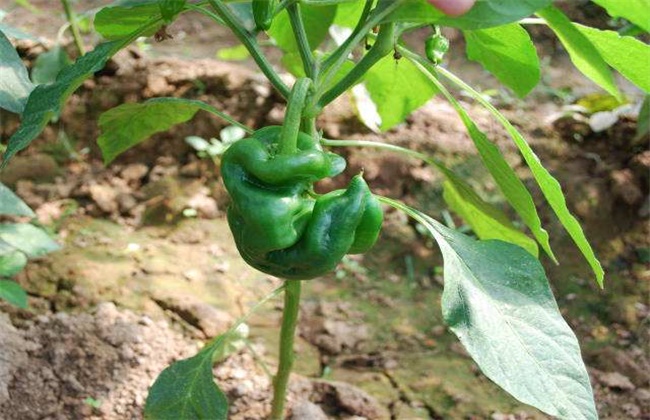
I. Causes of poor fruit development in autumn-winter peppers
1. Although temperatures turn cooler in autumn, it is sometimes still relatively hot. If it is hot and humid during flowering and fruiting, and then low temperature and scarce light occur in the late growth stage, when the temperature is above 30°C or below 15°C, peppers cannot pollinate normally, and deformed fruit and stiff fruit are very likely to form.
2. During growth, when there is poor root development, insufficient fertilizer and water, poor light, excessive vegetative growth, or poor reproductive growth, deformed fruit and split fruit are also very likely to form.
3. During the fruiting stage, when the temperature is relatively low, the roots have difficulty absorbing phosphate fertilizer, and anthocyanin levels are very likely to be too low, thus causing purple spots to appear on the fruit.
II. Solutions
1. Lower the temperature and control humidity during growth
Therefore, during the growth of peppers, temperature and humidity should be controlled: the daytime temperature should be kept between 25-28°C, the nighttime temperature between 15-18°C, and air humidity at 60%-70%. Only this is conducive to the growth and development of pepper fruit and helps increase yield and quality.
2. Increase and maintain warmth in the late growth stage
In the late growth stage of peppers, temperatures are relatively low and light is weak and short, so measures such as keeping warm and preventing cold damage and increasing light should be taken. At the same time, fertilizer and water management should be strengthened, more phosphorus and potassium fertilizer should be applied, and potassium dihydrogen phosphate foliar fertilizer should be sprayed, to provide sufficient nutrients for fruit growth and development and promote normal fruit development.
3. Coordinate reproductive growth and vegetative growth
In the late growth stage of peppers, reproductive growth and vegetative growth proceed together. If too much nitrogen fertilizer is applied, it will cause excessive vegetative growth of the plants, with normal vegetative growth exceeding reproductive growth, and normal fruit development will be poor. Therefore, during the flowering and fruiting stage, fertilizer and water should be strengthened, more phosphorus and potassium fertilizer should be applied, and little or no nitrogen fertilizer should be applied. In addition, watering should also be done with care; flood irrigation is not advisable, and at the same time the soil should be properly cultivated and loosened to improve soil permeability.
The above is an introduction to the causes of and solutions for poor fruit development in autumn-winter peppers. We hope it can help you. To learn more related knowledge, please stay tuned to us.