How to grow chive seedlings in autumn? Key technical points explained
Both spring and autumn are good seasons for planting chives; chives planted at these times grow well and have the best taste, and now is exactly the seedling-raising period for chives. So how should chives be grown from seed in autumn? Come and take a look with the editor.
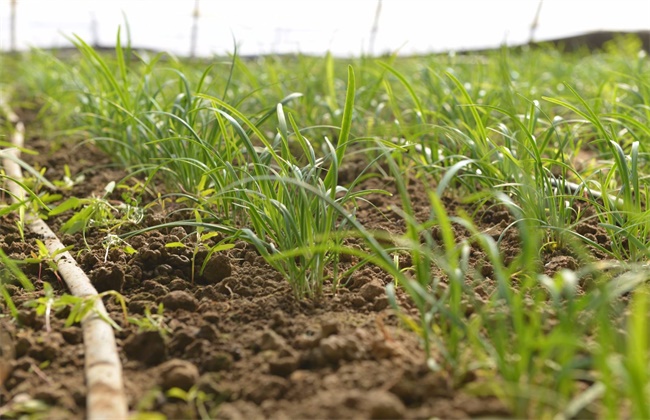
1. Seed treatment
For chive seeds, choose varieties with a high germination rate, excellent variety traits, and good disease resistance, and soak the seeds properly before sowing, as this can appropriately increase the germination speed of the seeds. 4-5 days before raising seedlings, you can place the seeds in 35°C warm water to soak. During soaking, remove bad seeds, shriveled seeds, and so on. During the soaking process, you can stir continuously until the water temperature cools, then soak for about 24 hours. After soaking is complete, scoop out the seeds and place them in a 15-20°C environment for germination. They will sprout in 2-3 days, and then they can be sown.
2. Seedbed preparation
When cultivating in the open field, the seedbed should preferably be a plot with good drainage, good ventilation and air permeability, and good irrigation conditions. Before raising seedlings, the soil must be properly prepared by plowing and fertilizing. Apply about 4000 kg of decomposed farmyard manure per mu. If conditions permit, the soil can also be disinfected. If plug tray seedling raising is used, the seedling substrate can be made from peat, vermiculite, perlite, and so on. Be sure to ensure the substrate is loose and breathable, and base fertilizer can also be added to the substrate.
3. Sowing and seedling raising
For plug tray seedling raising, the plug tray is generally selected according to seedling size. For seedlings with 5 leaves, use a 288-cell plug tray; for seedlings with 6 leaves, choose a 128-cell plug tray. Place the seeds into the cells, and the depth should not be too deep, so as not to affect the emergence of the seedlings. After sowing, cover with a thin layer of soil, then water thoroughly once. For field sowing, broadcasting or drilling can be used. When drilling, keep the row spacing of the seeds at about 10 cm and control the depth at 1.5 cm. Water after sowing.
4. Seedling stage management
After sowing, seedlings generally emerge in one week. During the emergence period, it is best to control the temperature well. The suitable germination temperature for the seeds is 15-18°C. Later, as the seeds germinate, the temperature can be appropriately increased, but it should not exceed 25°C at most. Light should also not be too strong. When the sunlight is too strong in the autumn afternoon, shade can be provided appropriately. The substrate should remain moist and should not be allowed to dry out. When the seedlings grow to about 30 cm, apply 1-2 foliar fertilizer applications, preferably with a 0.1% urea solution.
The above is an introduction to how to grow chive seedlings in autumn. I hope it can help you. To learn more related knowledge, please keep following us.