Causes of stunted eggplant seedlings and how to prevent them
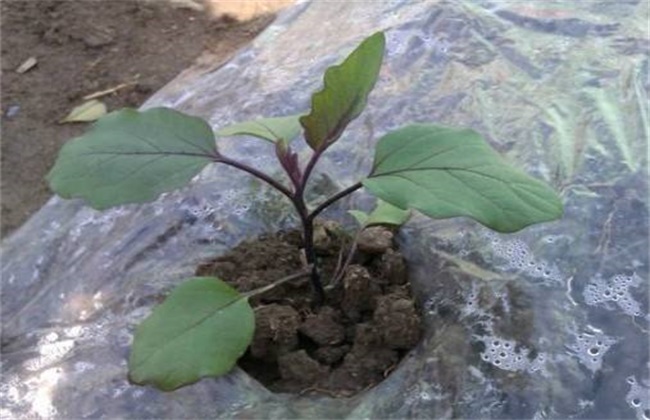
Eggplant is a familiar vegetable, and during winter seedling raising, growers often encounter the phenomenon of stunted seedlings. After eggplant seedlings become stunted, the stems are thin and soft, the leaves are small and yellow, and the roots are few and dark. After transplanting, they are slow to send out new roots, grow slowly, flower and fruit late, and are extremely prone to premature aging. So what causes stunted eggplant seedlings? Let's find out together.
1. Effects of temperature and light
During the eggplant seedling stage, if the plants encounter high temperature, high humidity and insufficient light, plant growth will slow down, and the plants will also become weak and poorly developed, without enough nutrients to support flowering and fruiting, and they are also very prone to stunted fruit.
Prevention and control methods: Throughout the entire growth period of eggplant, temperature must be well controlled. Generally, keep it below 30 degrees during the day, and it should not exceed 35 degrees; at night, keep it between 15-20 degrees, and it must not be lower than 14 degrees. Especially before and after flowering, if rainy weather occurs, strengthen drainage to prevent waterlogging and appropriately increase light intensity.
2. Insufficient water
Eggplant also needs a certain amount of water during the seedling stage. If there is long-term drought and lack of water, the quality of seedling recovery is poor, the plants grow poorly, and after transplanting they are very prone to stunted seedlings.
Prevention and control methods: During the seedling stage, maintain suitable moisture conditions to promote normal growth of the seedlings, but do not water too much, so as to avoid water accumulation and root rot. Watering should be even and thorough, and attention should be paid to drainage on rainy days.
3. Improper fertilization
If sufficient base fertilizer is applied during the eggplant seedling stage, generally no additional fertilizer is needed during the seedling stage. If too much nitrogen fertilizer is applied, it will cause the seedlings to grow leggy, and in the later stage it is very likely to cause stunted seedlings.
Prevention and control methods: For fertilization, correct fertilization techniques must be mastered. Choose fully decomposed organic fertilizer as the base fertilizer, and the base fertilizer must be applied sufficiently. In the later stage of growth, pay attention to the reasonable combined application of nitrogen, phosphorus and potassium fertilizers. In addition, also pay attention to supplementing trace elements such as calcium.
The above is an introduction to the causes of stunted eggplant seedlings and prevention and control methods. We hope it can help you. To learn more related knowledge, please stay tuned to us.