What to Do About Fertilizer Burn in Eggplants? A Full Breakdown of Remedial Methods
Eggplant is a very common vegetable in China, and because it has a very large market demand, the eggplant planting area in China is currently quite large. When we grow eggplants, various problems often arise that affect their growth. Fertilizer burn is one of them, so what causes fertilizer burn in eggplants? And what should be done about it? Below, the editor gives a brief introduction to help everyone out. Let's take a look!
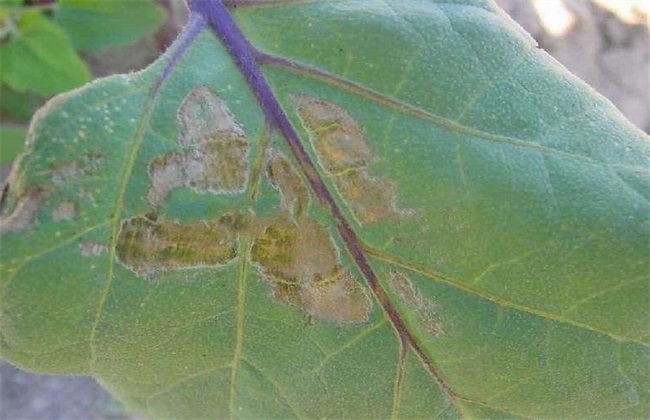
I. Causes of Fertilizer Burn
1. Applying undecomposed farmyard manure
When fertilizing eggplants, farmyard manure is a very good fertilizer. However, many farmers do not fully decompose it before applying it, or they mix it into the nutrient soil. The farmyard manure then begins to ferment, producing a large amount of heat, which burns the seedlings and causes fertilizer burn. After the seedlings are burned, their color gradually turns brown, new roots stop growing, and root nutrient uptake is blocked, affecting the growth of the entire plant.
2. Improper topdressing
When eggplants enter the peak fruiting stage, it is usually summer and other high-temperature seasons. Topdressing at this time requires our special attention. If fertilizers such as ammonium bicarbonate are applied as topdressing without paying attention to temperature, the ammonia content in the air increases, causing ammonia poisoning in the plants. This causes water-soaked lesions on the plants, which then gradually turn brown. If too much fertilizer is applied, it will cause a large number of leaves to dry out due to fertilizer burn.
3. Improper spraying of foliar fertilizer
Applying foliar fertilizer is also very important for eggplant growth. However, because many people do not understand foliar fertilizer well, they think that applying more foliar fertilizer is beneficial and harmless to eggplant growth. Some manufacturers add large amounts of hormone substances that stimulate crops when producing foliar fertilizer. If too much is applied, it will cause foliar fertilizer burn, leading to various adverse phenomena such as leaf stiffening, deformity, and thick stems, causing trace element poisoning in the plants.
II. What to Do About Fertilizer Burn
When applying organic fertilizer, we must ensure it is fully decomposed. When piling up organic fertilizer, microorganisms should be used to decompose it into nutrients that eggplant plants can utilize. Only such organic fertilizer is suitable for eggplant absorption. If symptoms are found, water promptly, which can effectively alleviate them. Generally, normal growth can be restored after about a week, but attention should also be paid to controlling the amount of watering. Do not overwater, to prevent waterlogging damage.
Then, when topdressing in summer and other high-temperature seasons, furrow application should be the main method, and soil should be covered after fertilizing. Do not fertilize at noon or similar times. If fertilizing in the evening, it should be combined with ventilation and watering. Then, when spraying foliar fertilizer, pay attention to controlling the dosage and mixing the foliar fertilizer properly, and do not do it at noon either. Generally, do it after 3 p.m.
The above is a brief introduction to what to do about fertilizer burn in eggplants. That's all for today's introduction. This article is for reference only, and we hope it can help everyone!