Analysis of the Causes of Eggplant Wilting and Control Measures
Eggplant is a common vegetable in daily life, loved by many people, and basically every household of farmers grows it. With strong market demand, it has excellent prospects for cultivation. However, during cultivation, the phenomenon of eggplant wilting can occur. How should it be solved? Let's take a look together.
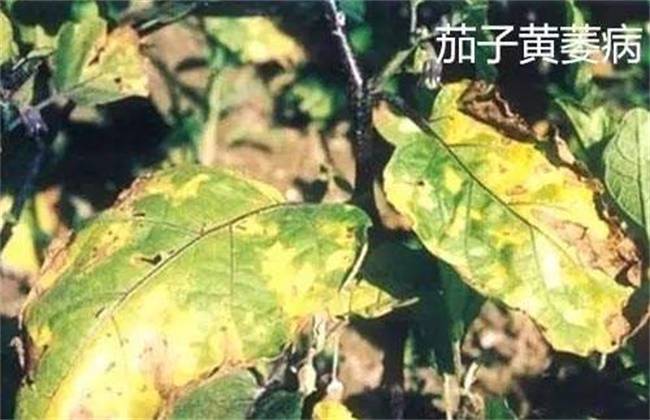
1. Eggplant Verticillium Wilt
Eggplant Verticillium wilt is a common disease in the eggplant cultivation process and also a relatively difficult disease to treat. The main causes of its occurrence are low temperature and high humidity, high rainfall, improper fertilization, and so on. The seedlings can be infected by the pathogen. In the early stage of the disease, green spots appear on the leaf margins and between the veins of eggplant leaves, then gradually turn yellow, and finally become dark brown until the leaves wither and die. In the early stage of the disease, the eggplant will not remain wilted all the time, but will only wilt at noon and recover in the morning and evening. However, when the condition worsens in the later stage, it cannot recover to normal.
2. Eggplant Fusarium Wilt
Somewhat similar to Verticillium wilt, it is also a common disease in eggplant production, but the infection rate at the seedling stage is relatively low, and it generally occurs only after planting. The symptoms are somewhat similar to those of Verticillium wilt: the leaf margins and between the veins turn yellow, then half of the leaf begins to turn yellow, until finally the entire leaf turns yellow and withers. In the early stage, it also wilts under high temperature and recovers in the morning and evening. In the later stage, the diseased leaves turn brown until they wither and fall off, and finally only the stem remains.
3. Eggplant Root Rot
The onset has certain similarities with the previous two. For example, in the early stage of the disease, the leaves slowly turn yellow, wilt during the day, and recover in the morning and evening, and gradually become scorched yellow in the later stage. But unlike the previous two, when the disease is severe, the epidermis of the primary roots and branch roots both turns brown, and the cortex also shows a rotting state.
4. Control Methods
Although the symptoms of the three types of yellowing are different, the control methods are largely the same. Strengthening management at the eggplant seedling stage can not only avoid diseases but also increase yield. The symptoms are reasonable crop rotation, which can also very well avoid the occurrence of diseases. Using plug tray seedling raising can also help eggplant avoid diseases and increase yield. After eggplant develops diseases, most cases are related to fertilization, so mastering the correct fertilization method and fertilizing reasonably can also help eggplant effectively avoid wilting.
The above is an introduction to the causes of eggplant wilting and control measures. I hope it can help you. If you want to learn more related knowledge, please follow us.