Key Techniques for Overwintering Management of Greenhouse Eggplant
Eggplant is a relatively popular vegetable on the market, and in winter, to meet market demand, greenhouse cultivation is used. Eggplant grown in greenhouses has fewer pests and diseases and higher quality. However, some measures need to be taken for eggplant to overwinter, so how should eggplant overwinter? Let's find out together.
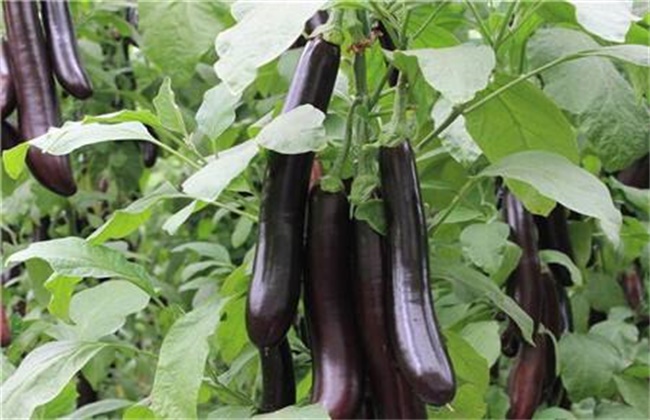
1. Variety Selection
For eggplant grown in greenhouses, seed quality must be considered. Be sure to choose varieties with plump grains, strong disease resistance, and low-temperature tolerance, so as to ensure better germination in the greenhouse. Before sowing, soak the seeds in carbendazim. After the seeds germinate and break through their shells, sow them on prepared soil. Sowing should be uniform. Cover with fine soil, then water once. When the seedlings grow 4 leaves, they can be transplanted. When transplanting, carry soil with the seedlings to help them survive. Generally, transplant about 2000 plants per mu, which can maintain excellent air permeability. In addition, appropriately increasing ventilation can make the seedling stems grow thick and strong, and the fruit-setting rate will also be relatively high.
2. Temperature Control and Seedling Strengthening
After transplanting, the most important thing is temperature control and seedling strengthening. If the greenhouse temperature is relatively high at noon, cool it down through ventilation and keep the temperature at around 28 degrees, which is suitable for eggplant growth. The nighttime temperature must not be lower than 10 degrees, otherwise it will cause frost damage to the eggplant seedlings. When the seedlings grow to 5 leaves, strengthen fertilizer and water management. Dig small pits about 10 cm from the roots to apply fertilizer, then cover and irrigate, which can promote the roots to absorb the fertilizer as soon as possible and improve fertilizer utilization.
3. Pinching Off Branches
Eggplant needs pinching during growth. Remove the branches and leaves of some side shoots and keep the main stem, so that it can bloom and bear fruit layer by layer. During management, promptly thin out flowers and small fruits. Generally, leave 3-4 flowers on each layer, so that 3-4 eggplants can set fruit. Do not leave too many fruits, otherwise the eggplant will grow poorly.
4. Heat Preservation
Entering November means entering the cold winter. At this time, promptly cover the greenhouse with straw mats for insulation. Every day from 5 p.m., cover with straw mats, stacking and covering them layer by layer, which can reduce the extent to which the plastic foam is exposed and provide excellent insulation. Wait until 9 a.m. the next day to uncover the straw mats, which can maintain a balanced temperature and make the eggplant grow more vigorously.
The above is an introduction to how greenhouse eggplant overwinters. I hope it can help you. If you want to learn more related knowledge, please follow us.