Detailed Explanation of Jerusalem Artichoke Field Management Techniques
Jerusalem artichoke, also called sunchoke, earth apple, and other names, is a very herbaceous plant and has a very large planting area in China. The main part used of Jerusalem artichoke is the underground tuber. Jerusalem artichoke tubers are rich in starch, inulin, and other nutrients, and market demand for them is quite large. So how should we manage Jerusalem artichoke when growing it? Below, the editor brings you the field management techniques for Jerusalem artichoke. Let's take a look together!
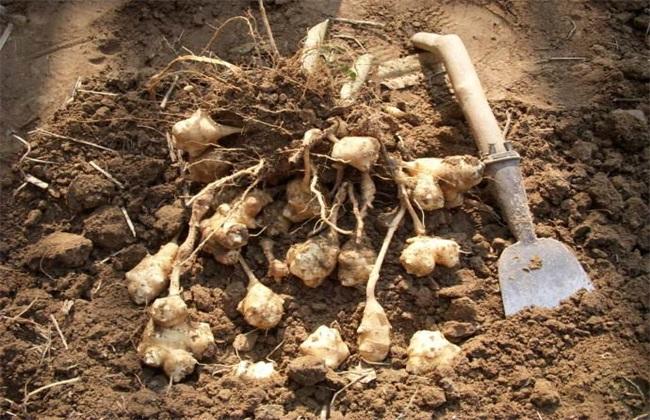
1. Weeding
After Jerusalem artichoke seedlings emerge, replanting work should be done well, and during replanting, weeds should be properly removed according to the actual situation. Generally, about one month after sowing, loosen the soil once, keeping the loosening depth at about 6 cm. Combine weeding with intertillage and soil loosening to prevent weeds from snatching nutrients for Jerusalem artichoke growth and affecting seedling growth. Then carry out the second weeding before Jerusalem artichoke budding, and after rain we should also do a good job of weeding, and combine it with intertillage for earthing up, creating a good growing environment for Jerusalem artichoke.
2. Fertilizing
Before planting Jerusalem artichoke, we should apply sufficient base fertilizer. Generally, after the autumn harvest, carry out land preparation, then apply sufficient farmyard manure, with the amount controlled at about 5000 kg/mu. When applying base fertilizer, 7/10 of the base fertilizer should mainly be broadcast, and the other part should mainly be applied in concentrated furrows. Then apply an appropriate amount of potassium sulfate, then deeply plow about 30 cm, and after deep plowing, make beds ready for sowing. Then during the Jerusalem artichoke growing period, topdress about twice, in late May and at the early budding stage, mainly with urea and potassium sulfate.
3. Watering
During the four periods of Jerusalem artichoke, namely the seedling stage, jointing stage, budding stage, and enlargement stage, watering work must be done well. Generally, water once for seedling emergence around Qingming Festival, then water well at each stage in May, August, and October. Although Jerusalem artichoke has strong drought resistance, when soil moisture content is sufficient, it has a relatively large effect on Jerusalem artichoke yield. If natural precipitation is normal and no drought occurs, then watering may not be needed. But if drought occurs, especially in summer and autumn, then water once promptly in August at the budding stage, which is very beneficial for increasing Jerusalem artichoke yield.
4. Bud Removal
After Jerusalem artichoke enters the tuber enlargement stage, its demand for nutrients and water both increases. At this time, we must not only meet the nutrient and water requirements of Jerusalem artichoke, but also do a good job of bud removal. This is because the growth of the flower buds on the aboveground part of Jerusalem artichoke also consumes nutrients and water. If there are too many flower buds, then they will snatch the growth nutrients of the tubers, causing tuber enlargement to be hindered and seriously affecting tuber quality and yield. Therefore, after entering the tuber enlargement stage, we should promptly remove excess flower buds and keep an appropriate number, promoting tuber enlargement.
The above is a brief introduction to Jerusalem artichoke field management techniques. That is all for today's introduction. This article is for reference only, and I hope it can help everyone!