What to Do About Peanut Premature Senescence? Cause Analysis and Control Measures
As the number of years of peanut cultivation increases, the problem of peanut premature senescence is becoming more and more serious. Premature senescence causes peanuts to wither and drop prematurely, resulting in dead stems and leaves, unfilled pods, and early pod drop, seriously affecting quality and yield and bringing huge economic losses to farmers. So what causes peanut premature senescence? How should it be controlled? Let's take a look.
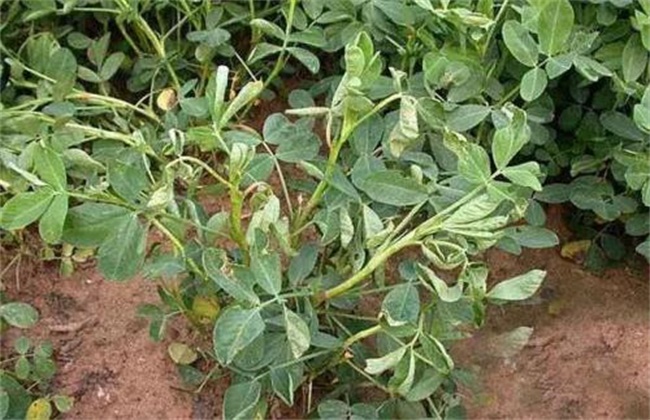
1. Seed variety degeneration
Peanuts are conventional seeds and do not need to be replaced every year, and peanut seeds are also relatively expensive, so most farmers keep their own seeds for planting rather than buying seeds. Many farmers often grow only one variety, and grow it for many years, which results in a single variety; when the number of years is too long, the seed variety degenerates, which inevitably causes premature senescence and death of peanuts.
Control measures: Choose high-yield, stable-yield, small-to-medium-fruited varieties with disease resistance. Pay attention to seed selection and sun-drying of seeds year after year. The use of moldy seeds must be prohibited. Where conditions permit, seed coating with chemicals can be carried out.
2. Imbalance of nutrient proportions
When soil nutrients are imbalanced, especially when trace elements such as calcium and boron cannot be supplemented promptly and effectively, the stress resistance of peanuts will be reduced. Peanut fertilization must follow scientific rules. When fertilizing, many farmers often only know about compound fertilizer and urea, and do not know to supplement molybdenum fertilizer, calcium fertilizer, boron fertilizer and other trace elements needed for peanut growth. In the later stage, this will all lead to premature senescence of peanuts.
Control measures: Choose scientifically formulated fertilization, combining base fertilizer with foliar topdressing. In addition to conventional fertilization, pay attention to spraying molybdenum fertilizer on the leaves at the seedling stage, spraying boron fertilizer at the flowering stage, spraying calcium fertilizer at the pod-filling stage, and spraying a high-quality potassium dihydrogen phosphate and urea aqueous solution on the leaves in the later stage, which can effectively prevent premature senescence and leaf drop in peanuts.
3. Phytotoxicity
Long-term use of acetochlor for chemical weed control in peanut production causes phytotoxicity to peanut seedlings, resulting in poor root growth and development, and the roots will undergo premature senescence in the later stage.
Control measures: Strictly control the amount of acetochlor used, master the correct application method, do not blindly increase the dosage during drought, and increase the amount of water used to improve the weeding effect and avoid phytotoxicity.
4. Improper use of hormones
The use of paclobutrazol in production to control excessive growth of peanuts has a good effect, but paclobutrazol can relatively strongly control stem and leaf growth and also control the growth of underground roots and pods, which will also cause premature senescence and death of peanuts in the later stage.
Control measures: In production, it is advisable to choose uniconazole, mepiquat chloride and other agents that have less effect on peanut pod expansion for growth control. When using hormones to control excessive growth, it is also necessary to flexibly manage according to plant growth conditions and weather conditions.
The above is an introduction to the causes of peanut premature senescence and control measures. We hope it can help you. If you want to learn more related knowledge, please stay tuned to us.