What causes rotten peanuts? Causes and solutions
During the pod-setting and maturation stage of peanuts, pod rot and fruit rot often occur for various reasons, causing reduced peanut yields, lower quality, and considerable economic losses for farmers. So what causes rotten peanuts? And how should it be solved? Let's take a look.
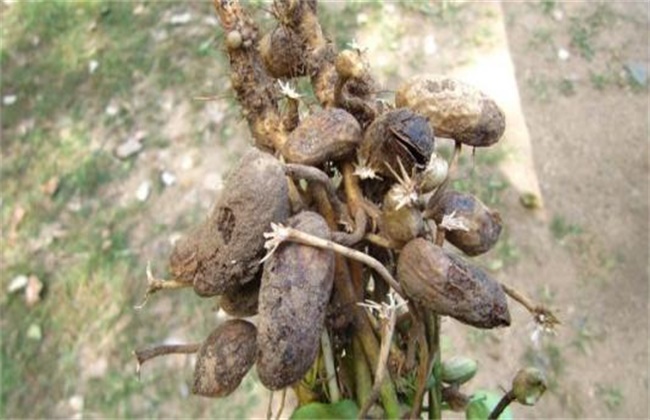
I. Causes of rotten peanuts
1. Waterlogging damage
In the late growth stage of peanuts, that is, when they are nearly mature, they suffer waterlogging damage. When the peanut root system and fruits remain in a damp environment for a long time, root rot occurs at the roots, which leads to premature aging, death of the plants, and rotten fruits.
2. Pest damage
When underground pests of peanuts occur severely, such as white grubs and mole crickets, damage by these pests during peanut fruit enlargement and late maturation can also cause peanuts to rot due to infection by pathogens.
3. Premature aging
Premature aging caused by the too-early decline and death of the plants leads to insufficient calcification of the peanut pod shell, resulting in poor development of the peanut fruits and premature aging of the fruits, which also makes the fruits prone to rotting later on.
4. Diseases
Diseases include not only fungal, bacterial, and viral diseases, but also physiological diseases caused by nutrient deficiencies in the field, all of which can lead to rotten peanuts. For example, after peanuts are infected with root rot or southern blight, the root system becomes very weak, so the nutrient supply to the whole plant is insufficient and the fruits rot.
II. Solutions
1. Prevent soil-borne diseases
Diseases are an important factor causing rotten peanuts, and the most common diseases are soil-borne ones. For example, white grubs can reproduce year after year in a suitable environment, and their eggs are difficult to kill by freezing in winter. Second, fungal and bacterial diseases can likewise break out because of continuous cropping. The best way to reduce soil-borne diseases is to avoid continuous cropping. In addition, soil disinfection can be carried out: before sowing, apply carbendazim by broadcasting, which can effectively control a variety of soil-borne diseases.
2. Balanced fertilization
Applying a single fertilizer is not conducive to balanced nutrients in the field, so balanced fertilization is very necessary. Using only chemical fertilizers is far too one-sided and can easily cause nutrient deficiency symptoms, so organic fertilizer or farmyard manure should be applied, which can improve soil structure and reduce the rate of rotten fruits.
3. Avoid water accumulation in the field
Water accumulation is also one of the important causes of rotten peanuts, so in peanut production it is essential to avoid drought and waterlogging disasters in the field and to do a good job of field drainage. At the same time, according to the differences between northern and southern China, adopt suitable planting methods. The south has more rain, so ridge cultivation is recommended, which can effectively avoid waterlogging damage; the north is relatively dry, so flat-bed planting can be used.
4. Do a good job of pest and disease control measures
In order to reduce the occurrence of pests and diseases in the field, seed treatment with chemicals can be used at sowing, which can effectively prevent the occurrence of pests and diseases. In addition, during the growth period, attention should be paid to the control of pests such as white grubs and mole crickets, which can be controlled by drenching or root irrigation with chlorpyrifos or clothianidin. During the peanut growth period, fungicides should be sprayed at least 2 times, and when applying them, combining them with brassinolide and amino acid foliar fertilizer has a very good promoting effect on root recovery.
The above is an introduction to the causes of rotten peanuts and the solutions, and we hope it can help you. To learn more related knowledge, please stay tuned to us.