How to Manage Excessive Growth in Sweet Potatoes? A Detailed Guide to Practical Growth-Control Methods
Sweet potato is a very common food crop in China, with a very large planting area in the country. Although the cultivation method for sweet potatoes is simple, many problems often arise during cultivation that affect the yield and quality of sweet potatoes. Excessive growth is one of the most common problems. So how should excessive growth in sweet potatoes be managed? Below, the editor will give you a brief introduction. Let's take a look!
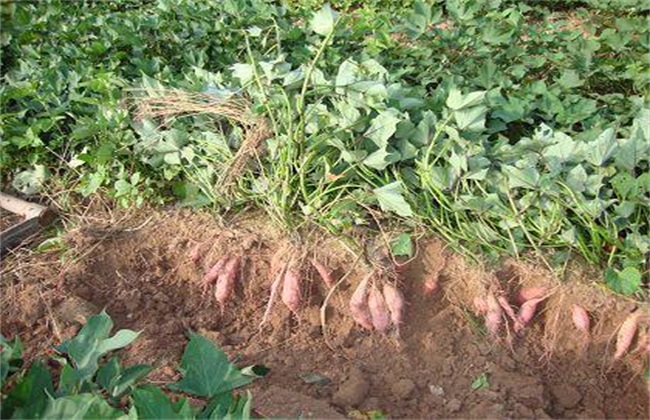
1. Reasonable Fertilization
During the growth period of sweet potatoes, we need to apply sufficient fertilizer to provide adequate nutrients for their growth. Improper fertilization can very easily lead to excessive growth in sweet potatoes. When fertilizing, pay attention to balanced fertilization of both the aboveground and underground parts. For the underground part, cracking fertilizer should be the main type to prevent the sweet potatoes from cracking. When fertilizing the aboveground part, the fertilizer should be mainly phosphorus and potassium fertilizer, and a small amount of urea can be added appropriately. Never over-apply nitrogen fertilizer; excessive nitrogen application is the main key cause of excessive growth in sweet potatoes.
2. Reasonable Growth Control
When planting sweet potatoes, in order to prevent excessive vegetative growth, we should appropriately spray some growth-control agents before the sweet potatoes close the rows. The growth-control agents can include uniconazole, chlormequat, and others. The dosage should be controlled well, spraying a small amount about 3 times, which can effectively inhibit the growth of stems and vines, reduce nutrient consumption, and promote the expansion of the tuberous roots. When applying growth-control agents, we should apply them reasonably according to the growth condition of the sweet potato plants. Do not spray excessively, to avoid stopping the growth of sweet potatoes and outsmarting oneself, which would instead affect the growth and development of the sweet potatoes.
3. Proper Vine Lifting
During the growth of sweet potatoes, we should properly carry out vine lifting according to the actual condition of the sweet potato plants. The operation method of vine lifting is very simple; just lift the stems and vines of the sweet potato plants slightly upward. The main purpose is to separate the lateral roots of the plants from the soil, preventing the lateral roots from continuing to grow. It can also achieve the purpose of drying the ridge soil and improving soil permeability. However, when lifting the vines, pay attention to the weather; after rain, vine turning should not be carried out. Otherwise, it can easily damage the stems and leaves, affect the distribution of stems and leaves, thereby reducing the photosynthesis of the plants and leading to reduced sweet potato yield.
4. Water Management
Sweet potatoes have relatively strong drought tolerance and do not have high water requirements. Although a certain amount of water is needed during the growth period, remember never to water excessively. If there is standing water, it should be drained from the field in time. Prevent standing water from causing root rot in sweet potato plants, which would cause the roots to lack oxygen and affect nutrient and water absorption. Avoid the stems and vines absorbing too much water and causing excessive vegetative growth, thereby affecting the normal growth of sweet potatoes. Then appropriately increase the proportion of potassium fertilizer to concentrate nutrients in the sweet potato tuberous roots and promote the expansion of the tuberous roots.
The above is a brief introduction to how excessive growth in sweet potatoes should be managed. That is all for today's introduction. This article is for reference only, and we hope it can help everyone!