Detailed Explanation of the Planting Methods and Key Technical Points for Agastache rugosa
Agastache rugosa (also known as Korean mint or patchouli-leaved giant hyssop) is a perennial herbaceous plant in the Lamiaceae family, and it is a traditional Chinese medicinal herb with a very long history of use in China. The commonly seen Huoxiang Zhengqi Shui (Agastache rugosa qi liquid) in our daily lives is made using Agastache rugosa as a raw material. Agastache rugosa has many nutritional benefits, its nutritional value is very high, and its planting area in China is also very large. So how should Agastache rugosa be planted? Below, the editor brings you the planting methods for Agastache rugosa. Let's take a look!
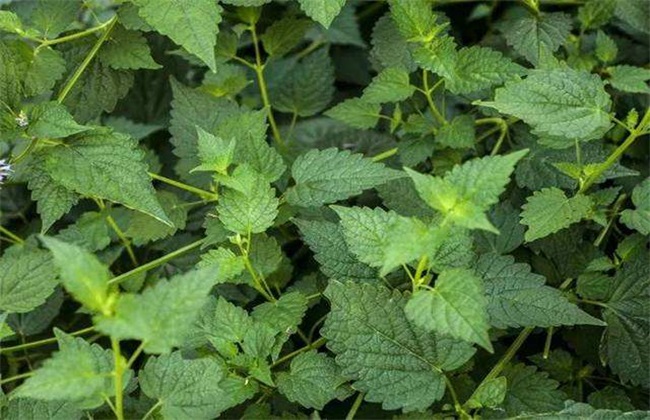
1. Land preparation and sowing
When planting Agastache rugosa, we must first choose a fertile sandy soil with good drainage and irrigation and easy management as the seedbed. Then plow the seedbed and apply sufficient decomposed farmyard manure. Next, open furrows and make beds, wet the bed surface with decomposed human and animal urine, and prepare for sowing. Before sowing, mix the seeds evenly with plant ash or fine sand, then sprinkle them on the bed surface. After sowing the seeds, cover with about 1 cm of fertile soil, set up a small arch shed, and cover with a layer of film for heat preservation and seedling raising. When sowing, pay attention to controlling the sowing density; do not sow too densely, to avoid the seedlings affecting each other's growth after emergence.
2. Temperature management
When planting Agastache rugosa, pay attention to controlling the temperature well; the temperature should be controlled at around 22 degrees. Generally, seedlings emerge in about half a month, and the emergence rate can reach 7/10. After the seedlings emerge, remove the covering film. The suitable growth temperature for seedlings is around 20-25 degrees. If Agastache rugosa is sown in spring of the same year, then when the Agastache rugosa plant grows to 12 cm and the main stem produces 5 pairs of leaves, the leaf axils at the base of the plant will begin to branch. After entering June, the temperature gradually rises, and Agastache rugosa begins its vigorous growth period.
3. Water and fertilizer management
Both the stems and leaves of Agastache rugosa can be used as medicine. When fertilizing, pay attention to maintaining a balanced ratio of nutrients such as nitrogen, phosphorus, and potassium. When the seedlings grow to about 3 cm tall, carry out the first topdressing. Apply about 2 kg per square meter, then fertilize separately when the seedlings grow to 10 cm, 18 cm, and 28 cm. Also fertilize after each cultivating and weeding, mainly with decomposed farmyard manure. Then do the watering work well after fertilizing, and stop topdressing after the field is closed with ridges. In dry conditions, water in time to avoid drought and ensure the seedlings grow safely. In the rainy season, do the drainage work well to prevent water accumulation from causing root rot in the plants.
4. Thinning and weeding
When the seedlings grow to 3 cm, pay attention to doing the thinning work well, mainly targeting seedlings that are growing too densely. Ensure the seedlings have sufficient growing space; seedling separation can also be carried out, and after separation the plant spacing should be maintained at about 7 cm. If Agastache rugosa is sown in holes, then keep about 3 plants per hole. If there are gaps where seedlings are missing, then replanting should be carried out on cloudy days. Before the first harvest of Agastache rugosa, weed about 3 times, generally when the seedlings are 3 cm, 12 cm, and 22 cm. Then when the seedlings grow to 30 cm, carry out the second harvest, and then cultivate soil for about 6 cm to protect the roots.
The above is a brief introduction to the planting methods for Agastache rugosa. That is all for today's introduction. This article is for reference only, and I hope it can be helpful to everyone!