How to plant Veronica? A full breakdown of the planting method
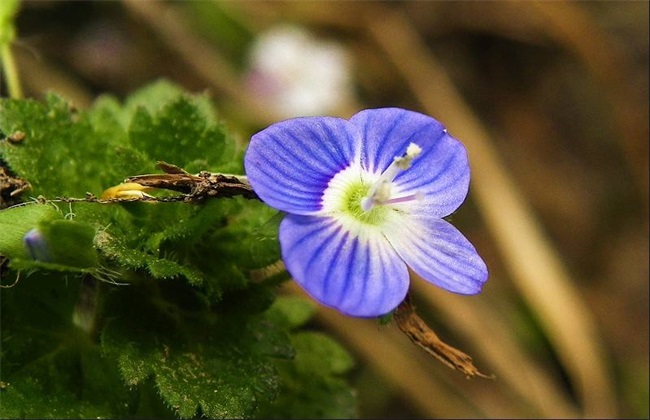
Veronica is an annual or biennial herbaceous plant, and it grows wild in various parts of China. Though Veronica is a wild weed, it has very good medicinal benefits, such as cooling the blood and stopping bleeding, and regulating qi to relieve pain. It can be used to treat hematemesis, leukorrhea, orchitis and more. It is also a landscaping plant, and its economic value is fairly considerable. So how should Veronica be planted? Below, let's take a look with the editor at the planting method for Veronica.
1. Soil selection
When planting Veronica, you first need to choose the right soil. The soil for planting Veronica must have good drainage and irrigation capacity. The clay content should be kept at around 20%-25%. Then you can add an appropriate amount of wood fiber, sand, bark and so on to the soil. Then, according to the planting area, add an appropriate amount of fertilizer, ensuring sufficient and comprehensive nutrients to improve soil fertility. The soil pH should be kept at around 6-7.
2. Seedling raising
The germination of Veronica's radicle has temperature requirements; the temperature should be kept at around 20-23 degrees, and it generally sprouts in 1-2 weeks. After sowing, cover with a layer of fine soil, and keep the soil in a slightly moist state, without too much water. Do a good job of shading to prevent direct sunlight, then after the cotyledons appear, appropriately reduce the application. Keep the temperature at around 17 degrees; at this point you can begin appropriate fertilization, mainly with balanced nitrogen fertilizer, to promote the growth of the seedlings.
3. Transplanting
About one month after the seedlings sprout, they can be transplanted. If they need to be transplanted into flower pots, then prepare a flower pot with a diameter of about 10 cm. When transplanting, be careful to keep the plug tray intact, to prevent seeds from still germinating afterward. When potting, pay attention to the size of the flower pot to promote root growth, thereby improving the quality of the Veronica. Control the planting density well, keep the Veronica able to grow upright, and do a good job of cold protection when the temperature is lower at night, to avoid frost damage to the seedlings.
4. Temperature and light
Veronica is a long-day plant, and a relatively high light level should be maintained during growth. Maintain at least 14 hours of light per day. Under strong light, the plant's flowering rate increases, and the flower's growth capacity also strengthens. When natural light is insufficient, be sure to supplement light to prevent the Veronica from becoming leggy. Then control the daytime temperature at around 15 degrees, and keep the nighttime temperature at around 12 degrees. When cultivating in winter, be sure to add coverings to maintain a suitable growing temperature.
5. Fertilization
Veronica does not need much fertilizer, but an appropriate amount of balanced nitrogen fertilizer should be applied every week, to prevent ammonium nitrogen fertilizer from being too high. After September, fertilization can be stopped, and spring fertilization is mainly nitrogen and potassium fertilizer. To ensure sufficient magnesium and iron elements, an appropriate amount of magnesium sulfide and iron compounds, etc., can also be applied, with the frequency kept at around two times. When planting, be sure to provide sufficient nutrients for Veronica, improve the soil structure, and promote the growth of Veronica.
The above is a brief introduction to the planting method for Veronica. That's all for today's introduction. This article is for reference only, and I hope it can help everyone!