Planting Methods and Key Technical Points for Euphrasia
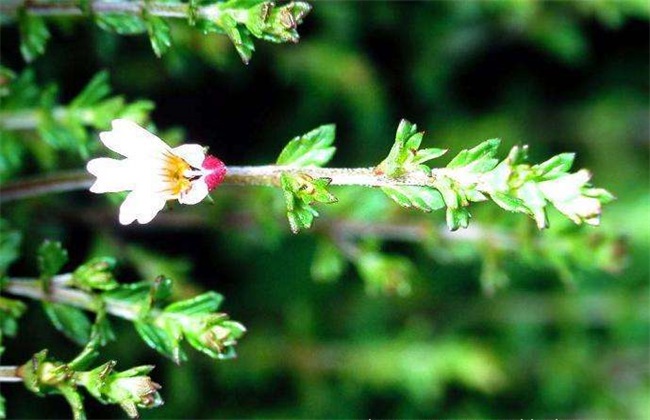
Euphrasia is an annual herbaceous plant in the Scrophulariaceae family and a commonly used traditional Chinese medicinal herb. The whole plant can be used as medicine, and it is widely distributed in the northern regions of China. The main effects of Euphrasia are removing eye bags and relieving fatigue, among others; its medicinal value is relatively high, and it can also be used as forage. So how should Euphrasia be planted? Today, the editor brings you the planting methods for Euphrasia. Let's take a look below!
1. Land preparation and fertilization
The root system of Euphrasia is relatively well developed, so when preparing the soil, deep plowing should be carried out, and then sufficient base fertilizer should be applied. The base fertilizer is mainly decomposed farmyard manure. Euphrasia seeds are relatively small, and the outer coat is wrapped in a layer of skin. Therefore, before sowing, good germination promotion work should be done, and after sowing there must be sufficient moisture for germination. The soil for planting Euphrasia should be level and finely broken up so that the seeds can receive sufficient moisture. After preparing the soil, it should be disinfected to prevent latent pathogens in the soil from affecting seed germination and hindering the growth of Euphrasia.
2. Sowing time
Before sowing Euphrasia, attention should be paid to good seed selection work, and germination tests should be carried out on the seeds. When selecting seeds, it is best to choose seeds with relatively large grains, and then control the sowing amount needed for each plot according to the germination rate of the trial planting. The sowing time of Euphrasia should be determined according to soil temperature. Generally, when the soil temperature is above 10 degrees, sowing can begin. If the planting purpose is fresh grass, then the sowing period is generally in March, June, July, September, etc., and about 6 harvests can be made in a year. If it is for seeds, then sowing is generally carried out in late March and mid-June and mid-August.
3. Sowing methods
The main sowing method for Euphrasia is seed soaking before sowing, which gives the best effect. Usually, broadcasting, dibbling, and seedling transplanting are the main methods. If planted on dry land, then dibbling should be used; if it is paddy field, then broadcasting should be used. We should control the sowing density according to different sowing methods. For example, for dibbling, the plant and row spacing should be controlled at about 10*20 cm. If it is for seeds, then the plant and row spacing should be maintained at about 20*25 cm. Because Euphrasia seeds are relatively small, sowing should not be too deep. After sowing, a layer of fine soil should be covered, which can prevent the seeds from losing their germination ability.
4. Field management
After sowing, if missing seedlings are found, then replanting should be carried out in time to ensure full stands. During the entire growth period of Euphrasia, weeding about once is sufficient, and after weeding, topdressing should be done well. Euphrasia likes to grow in a moist environment, and in an environment with more moisture, Euphrasia grows quickly. Therefore, we should pay attention to good watering work, which can effectively increase yield. The growth cycle of Euphrasia is relatively short. When the plant stems grow to about 80 cm, it is harvested, with a harvest height of about 70 cm, leaving a stubble of 10 cm.
The above is a brief introduction to the planting methods for Euphrasia. That is all for today's introduction. This article is for reference only, and we hope it can help everyone!