What causes leaf curl in peanuts
Peanut is a very popular food and oil crop, and its market in China is very large. When we grow peanuts, the peanut plants often develop many problems that affect growth. Peanut leaf curl is one of them; peanut leaf curl not only affects the growth vigor of the plants, but also leads to reduced yield. So what causes peanut leaf curl? And how should it be prevented and controlled? Let's take a look together below!
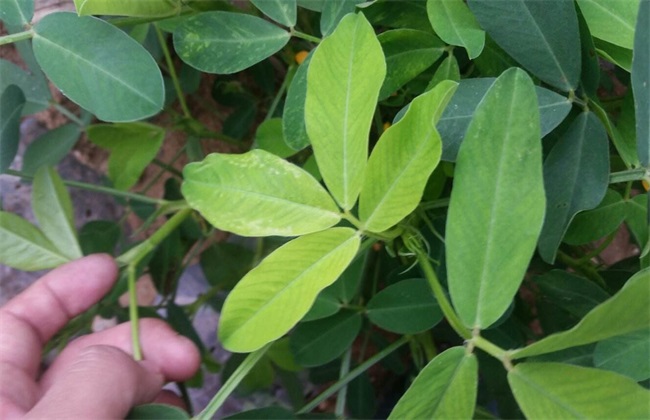
1. Causes of leaf curl
There are many causes of peanut leaf curl, and the most common one is damage from various insect pests. For example, leaf roller caterpillars, red spider mites and others are all major pests that cause peanut leaf curl. When growing peanuts, many growers use certain pesticides to do a good job of preventing and controlling pests and diseases. If pesticides are used improperly, they can also cause peanut leaf curl, for example the use of certain herbicides, MCPA and similar agents. Finally, there is the cause of disease: after scab disease occurs, peanuts first show the phenomenon of leaf curl.
2. Symptom expression
After peanut leaf curl occurs, it is very easy to spot, and the target of this damage is of course the leaves. After the leaves are damaged, many yellow-brown spots appear on the leaves, and the spots are accompanied by a raised appearance. If the disease is relatively severe, the damaged leaves become smaller and narrower, and sometimes also show curling and wrinkling; in severe cases the plants wilt and drop off. This seriously affects leaf photosynthesis, causing insufficient accumulation of photosynthetic substances in the peanut plants, and both yield and pod quality decline.
3. Prevention and control measures
Agricultural control
Peanuts are not suitable for continuous cropping, so we must pay attention to doing a good job of crop rotation. When rotating crops, it is best to carry out paddy-upland rotation, for example with rice and similar crops, which can effectively prevent leaf curl. If it is dryland rotation, then the rotation crops should be selected from grain crops such as soybean and corn. When choosing peanut varieties, mainly choose those with strong disease resistance to ensure the disease resistance of the peanut plants. Before planting, do a good job of soil improvement and fertilization, apply fully decomposed farmyard manure, improve the soil, raise soil quality, and reduce the leaf curl phenomenon.
Chemical control
We should often observe the growth of the peanut plants, and once the leaf curl phenomenon is found, spray the corresponding agent in time. For example, copper ammonia solution can be used to spray the affected plants and the healthy plants around the diseased plants, with the amount of solution per plant kept at about 250 grams. During the peanut growing period, agents such as Huasheng Bingjue can be sprayed, about once every half a month. Then we must also do a good job of pest control, for example of leaf roller borers, thrips and others. Agents such as dimethoate and imidacloprid can be used for spraying control to enhance the plants' ability to resist pests and diseases.
The above is a brief introduction to what is going on with peanut leaf curl. That is all for today's introduction. This article is for reference only, and we hope it can help everyone!