Detailed Explanation of Key Points of High-Yield Tomato Cultivation Techniques
Tomatoes are a common vegetable, and ordinary cultivation methods already produce a considerable yield, but if you want an even higher yield, appropriate improvements and additional management measures are needed in the cultivation techniques. So in this article we will introduce some different cultivation techniques, measures and specific methods to help growers achieve the goal of high yield.
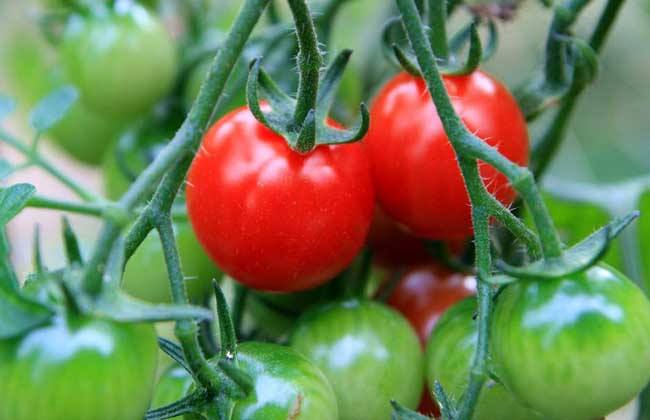
1. Temperature management
During the growth period, the most suitable temperature for development is between 20 and 28 degrees, and at night between 15 and 18 degrees. When the temperature reaches above 30, growth is affected. At 40 degrees it cannot grow, and above that the plant will die. At around 10 degrees growth is very slow, at 5 degrees it cannot grow, and below that it will freeze to death. The best temperature is 20 to 25 degrees; during the fruiting period this temperature allows good growth. For greenhouse planting in winter, when the temperature is above 26 degrees, ventilate; at 20 degrees do not ventilate. At night keep the underground temperature at 15 degrees
2. Humidity regulation
The optimal air humidity is 60%, and the soil humidity is 70%. When watering, use less water but water more often. In cold seasons, pay attention to controlling humidity and reducing humidity. This may alleviate some diseases triggered by low temperature and high humidity. Especially for greenhouse cultivation in winter and early spring, ventilation is needed to remove moisture. Ventilate after the sun comes out, for about one hour each time.
3. Topdressing methods
In addition to using organic fertilizer, tomatoes also require the appropriate use of some chemical fertilizers, with nitrogen, phosphorus and potassium used in proportion. Since tomatoes like potassium, potassium accounts for the largest proportion, phosphorus next, and nitrogen the least. Also pay attention to supplementing trace elements, calcium, to avoid blossom-end rot and fruit cracking. Magnesium, manganese and boron are all common trace elements that need to be supplemented.
4. Plant adjustment
Tomato vines have a very strong growth capacity, so some less important branches and vines need to be removed, and pruning of side shoots is also needed. When the vines grow to a sufficient length, pinching is needed to promote side branches. Some side branches that do not flower or bear fruit, if they have no auxiliary role, can be removed directly. This avoids consuming nutrients. For some old leaves at the base, or crowded leaves in the upper layer, a portion can be removed, which can improve ventilation and light penetration.
High-yield tomato cultivation mainly starts with management, because basic sowing, seedling raising and planting are all similar. There will basically be no major impact. So management is mainly about maintaining good growth as much as possible.