How to grow baby bok choy in autumn and winter? A detailed guide to the planting method
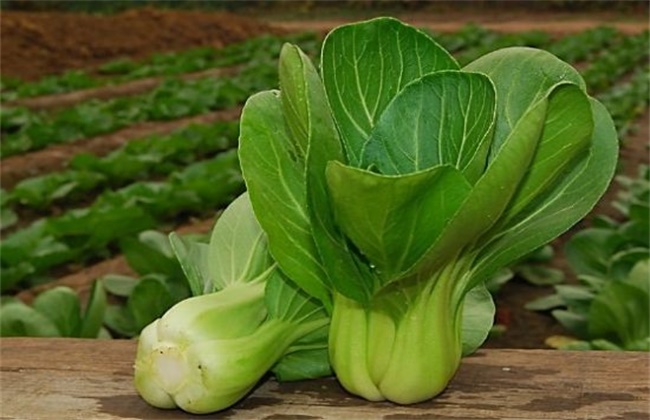
Baby bok choy is a fairly common vegetable, with decent market demand and extremely high growing value, and right now is the time to plant baby bok choy, so how should you grow it in autumn and winter? Follow along with the editor and take a look.
1. Land preparation and fertilisation
Baby bok choy is highly adaptable and not strict about soil, but deep, fertile, loose soil is best; when grown in neutral and slightly acidic soil its oil content is high, while in alkaline soil its oil content is low. Its seeds are small and its ability to push through the soil is poor, so after the previous crop is harvested the soil must be tilled in time to avoid loss of soil moisture. Baby bok choy has a fairly high nutrient demand, especially for phosphorus fertiliser, and the base fertiliser is best as high-quality fully rotted organic manure. To get full, even and strong seedlings and lay a solid foundation for the whole growth period, winter baby bok choy needs to be watered with a base watering one week before sowing.
2. Seed treatment
Before sowing, the seeds need to be sun-dried, carefully selected and disinfected. First spread the seeds out in the yard to dry for 2-3 days, then screen them to remove light seeds and impurities, then soak them in 10% salt water to select them, skimming off the shrivelled seeds. Then soak the selected seeds in warm water of around 50 degrees for 20 minutes; if conditions allow, you can soak the seeds in 300-fold formalin solution for 20-25 minutes. After removing them, keep them covered for 2 hours, then wash them clean with water.
3. Sowing
The best sowing time for baby bok choy is when the temperature is 18-20 degrees. First choose a plot with loose, fertile soil and convenient drainage and irrigation, and apply plenty of base fertiliser. The seedbed sowing time can be about one week earlier than direct sowing of the same variety, with a seeding rate of about 0.8 kg per mu. When the seedlings grow two true leaves, thin them so the seedlings are about 3-6 cm apart; when they grow 3-4 true leaves, final thinning is done, with the plant spacing depending on the planned density. If pests are severe, final thinning should be delayed as appropriate, and any gaps should be filled by replanting.
4. Field management
After transplanting, apply 5 kg of nitrogen fertiliser per mu to strengthen the roots and promote growth, then water once with a root-strengthening watering after the top dressing. Before entering winter, apply a winter fertiliser once, and 10-15 days before the soil freezes, water once with an overwintering watering. After the thaw in early spring, promptly remove the overwintering covering soil, and shallowly hoe and loosen the soil to conserve moisture and promote spring growth. Before bolting, first apply a bolting fertiliser, applying 10-15 kg of ammonium sulphate per mu, and also pay attention to the application of micronutrient fertilisers.
The above is an introduction to how to grow baby bok choy in autumn and winter. We hope it helps you. To learn more related knowledge, please keep following us.