What are the key points to note when growing vegetable seedlings in winter? These few points are crucial
Vegetables planted in early spring are generally grown into strong seedlings in winter in order to seize the market, but winter temperatures are relatively low and the environment is harsh, which is not conducive to cultivating strong vegetable seedlings, so a few points must be noted when growing seedlings in winter. Follow the editor to take a look at the key points to note when growing vegetable seedlings in winter.
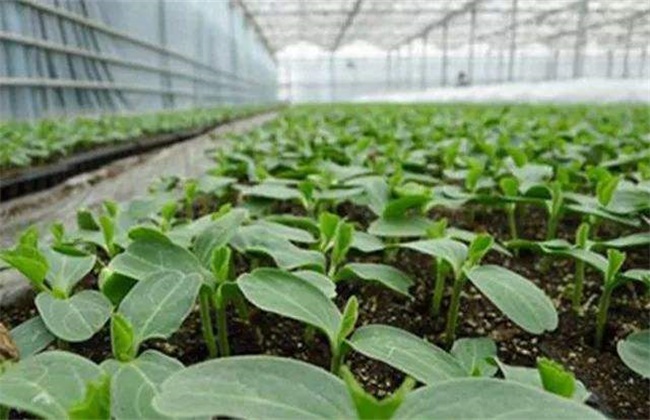
1. Prevent seedling flash wilting
When growing seedlings in winter, a small tunnel should be set up inside the greenhouse to protect the normal temperature for seedling growth during the seedling stage. Many vegetable growers, when it comes to ventilation, think that ventilation is safe and often open the vent wide all at once when the weather turns clear. The seedlings are then suddenly hit by cold wind, and the resulting temperature change can cause seedling flash wilting. Therefore, vegetable growers need to be reminded that when growing seedlings in winter, even when the weather turns clear, they should not ventilate suddenly. If long cloudy days turn to clear weather, they should pay even more attention to gradually uncovering the covers. If the seedlings are found to be wilting, covers should be added in time, and only after the plants return to normal should they be uncovered again. Hardening the seedlings in this way multiple times can prevent seedling flash wilting and cultivate strong seedlings.
2. Prevent root rot from waterlogging
Winter temperatures are low and evaporation is low, so special attention must be paid when watering. Remember not to flood irrigate; water lightly or sprinkle water, and if conditions permit, drip irrigation or under-film watering can be used. This prevents too much water from causing a sudden drop in ground temperature, which then damages the seedling roots and causes root rot from waterlogging. In severe cases, root rot from waterlogging can lead to the death of large numbers of seedlings, causing relatively large losses.
3. Prevent freezing damage
Winter weather is harsh, so the seedling greenhouse should have its heat preservation management strengthened to prevent sudden cold waves at night from causing freezing damage to the seedlings. In addition to adding covers, measures such as ground heating wires, supplemental lighting, and heating blocks can also be used to raise the temperature and ensure the temperature of the seedling greenhouse.
4. Prevent seedling death
When growing seedlings in winter, ventilation conditions are relatively poor, and the humidity inside the greenhouse is relatively high, which very easily leads to the occurrence of various diseases such as damping-off and Rhizoctonia rot, and very easily causes seedling death. Therefore, when growing seedlings, ventilation should be carried out in time to remove moisture and reduce the probability of disease occurrence. At the same time, agents such as Previcur, hymexazol, and chlorothalonil can be sprayed for prevention in advance.
The above is an introduction to the key points to note when growing vegetable seedlings in winter. We hope it can help you. If you want to learn more related knowledge, please stay tuned to us.