Detailed Explanation of Key Points of Soilless Tomato Cultivation Technology
Tomato, as a common vegetable in China, is also grown on a very large area in China. Now China's scientific and technological development is becoming more and more mature, and there are now also very many tomato cultivation models. Soilless cultivation is one of them, so how should soilless tomato cultivation be done? Today, the editor has brought you the key points of soilless tomato cultivation technology. Let's take a look below!
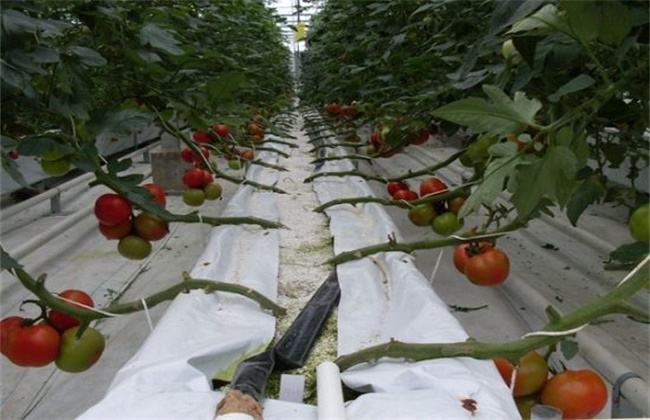
1. Seedling raising and planting
Before soilless cultivation, the seeds must first be properly treated by soaking them in warm water at about 60 degrees for about 20 minutes. Then soak them in trisodium phosphate for 25 minutes, and then place them in normal-temperature water for about six hours, which can effectively eliminate viruses. Then evenly place the seeds on moist gauze, cover with a layer of wet cloth, and place them in an environment at about 30 degrees. Every day, the seeds and gauze must be cleaned twice for germination. Generally, they will sprout in about 3 days, and after sprouting they can be sown. Before sowing, use the Japanese Yamazaki tomato formula to water the nutrient solution thoroughly, then sow the seeds by dibbling, and then cover with a layer of sterilized substrate.
2. Seedling stage management
In the early stage of seedling raising, the seedling bed should maintain a water layer of about one cm. After the cotyledons of the seedlings have fully unfolded, apply nutrient solution into the seedling bed. Prepare a standard nutrient solution according to a professional formula. Before the seedlings emerge, attention should be paid to maintaining a relatively high temperature. After emergence, lower the temperature to about 20 degrees, and at night to about 12 degrees. Humidity must not be too high to prevent diseases, and then according to the growth of the seedlings, the substrate, and the weather, reasonably spray one to two doses of the Japanese Yamazaki tomato formula to provide sufficient nutrition for seedling growth.
3. Planting management
When the seedlings reach one month of age, have grown 3 leaves, and the plants are about 12 cm tall, and there is no leggy growth or pest and disease phenomenon, they can be planted. Mainly plant small seedlings, and this should be done in the afternoon when the temperature is not high. Control the plant spacing at about 30 cm, and large and small seedlings should be properly separated to facilitate management. After planting, attention should be paid to watering once with nutrient solution. After planting and before the seedlings recover, ventilation and air exchange work may be omitted. Keep the temperature at about 30 degrees, and it must not exceed 35 degrees at the highest. Then control the humidity at about 75%, not too high, and maintain suitable sunlight. When the light is too strong, attention should be paid to doing a good job of shading.
4. Plant management
When planting, we must also do a good job of trellising the tomato plants by pulling a wire above the plants, and then using hanging strings to hang the plants on the wire. The pruning method is mainly single-stem pruning, because tomatoes have a relatively strong ability to produce side branches, so attention should be paid to promptly removing side buds to avoid consuming too much nutrition. Then as the plants grow, the plants should be wound around the hanging strings, usually once every about 7 days. We should also do a good job of flower and fruit thinning. For medium-fruit types, keep about 4 fruits per cluster, remove excess and abnormally growing flowers and fruits, and concentrate the nutrition. Then promptly remove old, diseased, and yellow leaves. When the plants grow to the position of the wire, the vines can be lowered.
The above is a brief introduction to the key points of soilless tomato cultivation technology. That is all for today's introduction. This article is for reference only, and I hope it can help everyone!