What to Do About High Humidity in Winter Greenhouses? Practical Dehumidification Methods Shared
China's economy is developing better and better, and agricultural planting now has many modes. The most popular one today is naturally greenhouse planting, which enables off-season cultivation, so many vegetables can also be produced in winter. However, when growing vegetables in greenhouses in winter, excessive humidity inside the greenhouse often affects the growth of the vegetables. So what should be done about high humidity in winter greenhouses? Let's take a look together below!
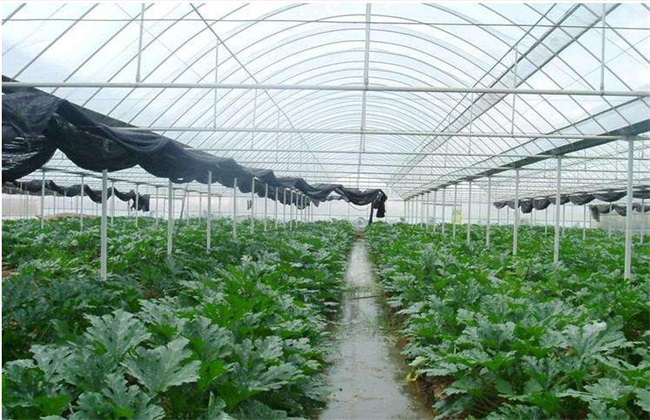
1. Reasonable watering
When growing in greenhouses in winter, watering must be done well, and care should be taken not to water too much. When the soil moisture content is sufficient, it is best to delay watering. If the soil is too dry, watering should also be done in the morning at the end of a cloudy day or the start of a sunny day. If there are consecutive cloudy days, it is best not to water, and do not water in the afternoon either. This can easily lower the ground temperature and thereby raise humidity. In addition, we should also choose suitable watering methods, mainly drip irrigation, and must not use flood irrigation, otherwise humidity can also rise very easily.
2. Ventilation management
In winter, although insulation work must be done well, ventilation management must also be strengthened to stabilize the humidity in the greenhouse and prevent excessive humidity from occurring. When temperature conditions are suitable, ventilation should mainly be done early, or the time for closing the vents should be delayed as much as possible to extend the ventilation time. Reasonable ventilation work can effectively reduce humidity inside the greenhouse. Therefore, even on cloudy days with insufficient natural light, reasonable ventilation should still be done at noon. However, note that if the temperature at noon on a sunny day is relatively high, low ventilation should not be used, as it can easily cause the seedlings to be scorched.
3. Mulching with plastic film
When vegetables grown in greenhouses overwinter, plastic film mulching is an indispensable task. Mulching with plastic film can not only achieve the purpose of insulation, but also reduce the humidity inside the greenhouse and ensure that the seedlings can overwinter safely. Then we should also spread an appropriate amount of grain straw and other materials in the working rows. This avoids overly rapid evaporation from the surface soil, and at the same time the straw can also absorb moisture, thereby reducing the humidity inside the greenhouse and preventing the seedlings' growth from being affected by excessive humidity.
4. Raising the temperature
Raising the temperature inside the greenhouse is one of the most effective ways to reduce humidity. According to professional calculations, for every 1 degree increase in the temperature inside the greenhouse, humidity can be reduced by about 3%. In winter, because the natural light duration is shortened, attention should be paid to frequently cleaning the dust layer on the greenhouse film to increase light intensity. Then, every morning and evening, attention should be paid to uncovering and covering the coverings to increase the light duration. Methods such as adding reflective screens can also be used to increase the light intensity and duration in the greenhouse, thereby raising the temperature and reducing humidity.
The above is a brief introduction to what to do about high humidity in winter greenhouses. That is all for today's introduction. This article is for reference only, and we hope it can help everyone!